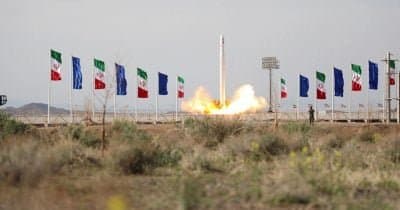
Fresh strikes between the US and Iran have erupted in the Gulf, deepening worries about a widening conflict. Both sides targeted key sites near the Strait of Hormuz, a vital passage for global oil shipments, where tensions have escalated sharply in 2026.
The ongoing hostilities are part of a series of exchanges throughout the year, revolving largely around naval and regional military assets. This focus shows the strategic importance of the Gulf, where any disruption could ripple through international markets and security arrangements. Gulf states, already on edge, are watching closely as the prospect of further Iranian action grows more tangible.
Market watchers are observing shifts in prediction prices that suggest a growing expectation of continued escalation, especially with an eye on maritime targets. In recent days, the intensity of attacks has increased, with the latest incidents marking a notable spike in confrontation frequency.
Given this trajectory, diplomatic efforts led by regional players like Qatar or Oman might become key in preventing the conflict from spiraling further. Meanwhile, any alterations in US military posture or statements from Iranian leadership will likely signal the next phase in this tense standoff.
Last week alone, over a dozen military exchanges were reported near the Strait, highlighting a sharp rise compared to earlier months.