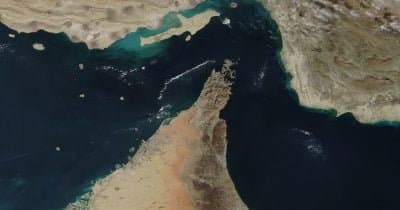
The United States and Iran are currently in talks about a temporary ceasefire that could change how ships pass through the Strait of Hormuz, a critical global shipping route. The surprising detail is Iran's proposal to collect transit fees in cryptocurrency, specifically Bitcoin and stablecoins.
This narrow waterway is vital, handling about 20% of the world's oil shipments. Any disturbance there tends to send oil prices soaring and rattles markets, including cryptocurrencies. The negotiations come after a June memorandum aimed to extend a fragile truce set in April, with the goal of reopening the strait to commercial traffic.
Under the emerging agreement, Iran would gain a bigger role in managing the flow of vessels through the strait. Tehran's key offer: charge a $1 toll per barrel of oil passing through. While that fee might seem small, the sheer volume of oil moving daily means this could generate substantial revenue for Iran.
However, Iran insists on receiving payments not in traditional currencies but in Bitcoin or stablecoins. This method would allow Iran to bypass international sanctions that have long restricted its access to global financial systems. Oman has stepped in as a mediator, urging Iran to commit to keeping the shipping lanes open and safe from attacks.
President Trump announced in mid-July that the ceasefire from June was effectively over amid renewed clashes, though talks continue. Previous ceasefires have been short-lived, with rising tensions pushing oil prices over $100 per barrel at times.
For the crypto world, Iran's move could mark one of the largest real-world adoptions of cryptocurrency payments in international trade. With the country excluded from SWIFT and dollar-based transactions, crypto offers a key alternative. This situation places US negotiators in a tricky spot: endorsing, in practice, a sanctions bypass while trying to secure vital shipping lanes.