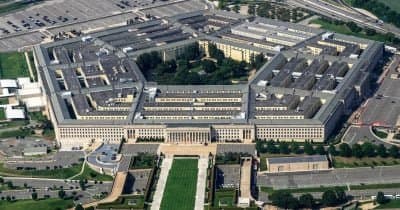
The US military has carried out airstrikes on Iranian military targets for the 13th consecutive night, focusing on installations linked to the Iranian Revolutionary Guard Corps. These operations aim to reduce threats to commercial shipping, especially in the strategically vital Strait of Hormuz.
Escalating Conflict and Regional Impact
This sustained campaign is part of the ongoing 2026 US-Iran conflict involving frequent air and maritime engagements. Despite multiple diplomatic attempts to halt hostilities, fighting continues unabated, with the Pentagon emphasizing the need to keep shipping lanes open for international trade.
Market analysts note a rising likelihood that Iran could close its airspace as military pressure mounts. Predictions for a possible airspace closure by July 31 have increased from 34% to 39%, reflecting growing concerns over Iran's ability to maintain open skies amid escalating attacks.
What to Expect Next
Attention is now on official announcements from Iran's Civil Aviation Organization about potential airspace restrictions prompted by military threats. US confirmations of ongoing strikes may further sway market expectations. Diplomatic signals or statements by Iran's leadership could also influence the situation, as could any shifts toward de-escalation in US military strategy.
The situation remains fluid, with both military actions and diplomatic efforts shaping what could be a significant regional development affecting global maritime and air traffic.