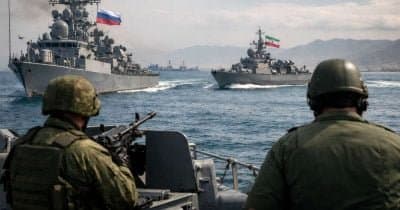
Ukrainian drones launched precise strikes on July 25 against key maritime vessels in the Caspian Sea, disrupting what Kyiv describes as Iran’s main military supply route to Russia. President Volodymyr Zelensky hailed the operation’s impact as "very strong," while Iran condemned it as a criminal act, escalating tensions in a region previously untouched by the Russia-Ukraine conflict.
Crypto’s Increasing Role in Sanctions Evasion
The attacks hit two sanctioned cargo ships, the Port Olya 2 and the Begey, along with a Russian missile boat and an offshore oil platform. Ukraine’s Security Service identified these vessels as vital components in the transfer of Iranian drone technology and other military hardware to Russian forces. Iran’s Foreign Ministry reported one sailor killed and another injured, summoning Ukraine’s diplomat and hinting at possible retaliation.
What makes this naval skirmish notable to crypto traders is the growing use of digital currencies by both Russian and Iranian groups to fund drone purchases, effectively turning decentralized payment networks into covert channels for arms procurement. The vessels under attack are blacklisted by the US, UK, Canada, and Ukraine due to their roles in sanctions-evading logistics.
In response, Ukraine has expanded sanctions targeting Russian digital asset platforms specifically designed to thwart sanction evasion efforts. This campaign in the Caspian Sea is not new: previous strikes in April 2026 targeted oil platforms and associated infrastructure in the same area, indicating a sustained effort rather than a one-time escalation.
Iran has emerged as a key military ally for Russia since the invasion began in 2022, supplying Shahed-style drones transported via a maritime corridor from northern Iranian ports to Russia’s Astrakhan region. Zelensky’s statement framed Iranian vessels involved in these logistics as legitimate targets alongside Russian warships, sending a clear warning to Tehran.
This development reflects broader international moves to tighten control over digital payment systems used to bypass sanctions. Authorities from the US Treasury, the EU, and allied countries are intensifying efforts to close gaps in crypto networks exploited for military financing. Ukraine’s recent sanctions expansion represents a concrete example of this global regulatory push.