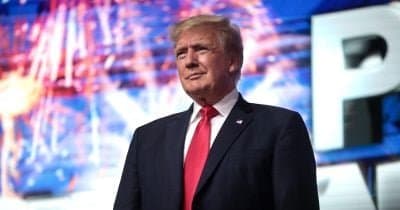
Bitcoin took a hit, dropping over 3% in July after President Donald Trump hinted at restarting full-scale military action against Iran if certain demands remain unmet. The news rattled crypto markets already shaky from sanctions targeting Iran's largest digital asset exchange.
The conflict dates back to early 2026, when US and Israeli forces launched strikes against Iran. A fragile ceasefire brought some calm for months, allowing Bitcoin to regain ground following earlier losses. But by early July, the truce fell apart. Violence flared again in the Strait of Hormuz, with ongoing combat leading to US casualties and Iranian retaliations.
Now Trump is reportedly discussing plans with defense officials to hit Iranian nuclear facilities and military targets using the phrase “finish the job” to describe the intended military push. This escalation has sent shockwaves through markets sensitive to geopolitical moves.
Crypto has been directly affected by sanctions in this saga. In June 2026, the US Treasury blacklisted Nobitex, Iran’s top cryptocurrency exchange, along with three other digital asset platforms, accusing them of helping Iran evade sanctions. This crackdown is part of a broader US campaign called “Economic Fury” aimed at tightening the financial noose on Iran.
Bitcoin’s price has mirrored these geopolitical tensions. It fell sharply when the ceasefire collapsed but climbed back when peace hopes emerged earlier in the year. Meanwhile, prediction markets like Polymarket have seen millions wagered on the chances of a lasting peace deal, with odds shifting in response to Trump’s statements.
The situation remains fluid as military and diplomatic developments continue to unfold, keeping crypto investors on edge.