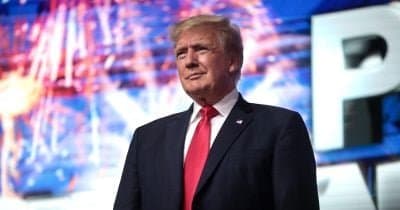
Former President Donald Trump’s decision to finalize a ceasefire agreement with Iran in 2026 was heavily influenced by fluctuations in oil prices and the broader economic fallout, according to Eli Cohen. The pact, which halted ongoing hostilities between the U.S. and Iran, came amid rising concerns over market instability and potential economic damage.
As soon as the deal was announced, oil prices fell noticeably while stock markets gained ground, underscoring the economic motives behind the diplomatic move. Cohen highlighted that these shifts reflect a strategic effort to stabilize markets and avoid financial turmoil rather than purely geopolitical interests.
Economic Consequences and Market Response
The ceasefire appears to have eased pressures on global energy markets. Investors reacted positively, expecting that reduced conflict risk would bring more predictable oil supply conditions. Analysts note that current market pricing is aligned with the idea that economic considerations continue to shape U.S.-Iran relations and future negotiations, particularly regarding sanctions and regional security.
Attention remains on oil price trends and stock market performance as ongoing indicators of how this agreement will influence the geopolitical and economic landscape. Developments around the Strait of Hormuz and any policy shifts on sanctions could further impact negotiations and investor confidence.
This material is for informational purposes only and does not constitute financial advice.