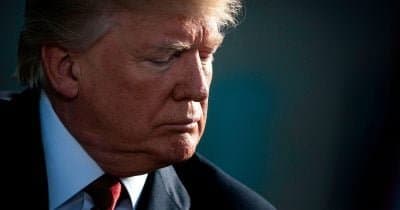
President Trump is once again pushing for interest rate cuts, this time addressing Federal Reserve Chair Kevin Warsh, whom he personally appointed earlier this year. Trump claims to understand Warsh's intentions and is openly backing a move toward lower rates. The timing, however, complicates matters: the Fed recently kept rates steady between 3.5 and 3.75% during Warsh’s first policy meeting on June 17, 2026, while inflation remains stubbornly above 4%.
Warsh replaced Jerome Powell as Fed chair in May after being nominated by Trump in March. The president has made it clear he wants the United States to offer the lowest interest rates globally, a stance that clashes with the current inflation environment. Cutting rates aggressively now would be akin to fueling a fire while trying to extinguish it, given the Fed’s goal of taming inflation.
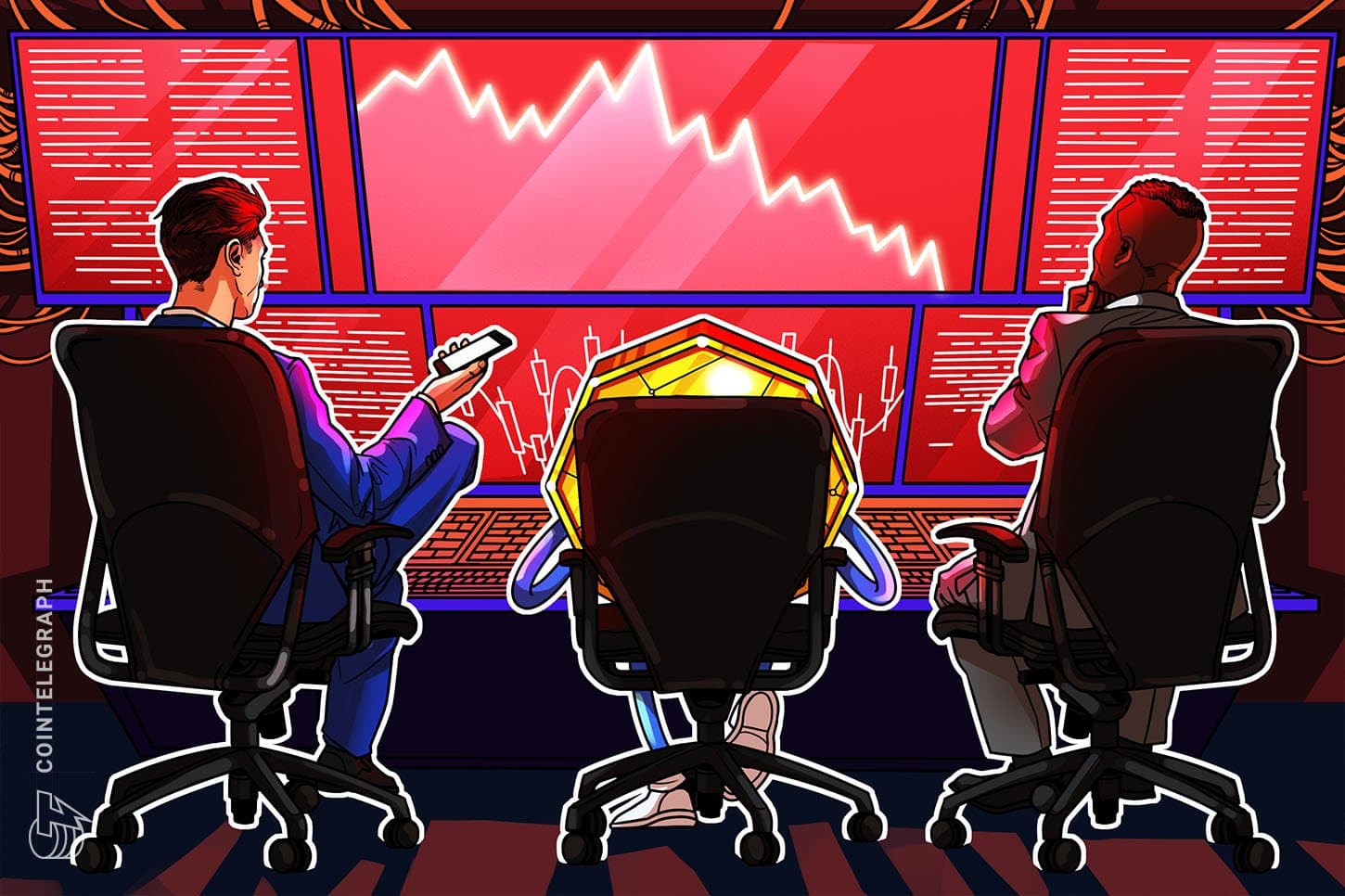
Warsh’s track record as a former Fed governor during the 2008 crisis influences his cautious approach. Early signals suggest he aims to bring inflation back down to the Fed’s 2% target. The crypto market responded quickly: Bitcoin dipped to around $64,800 after the Fed’s decision to hold rates steady, then recovered slightly to about $65,300.
Some economists speculate Warsh could push for up to 100 basis points of easing over the rest of 2026, potentially lowering rates to between 2.5 and 2.75%. But the high inflation rate poses a major hurdle to justifying such moves. The Fed’s dual mandate to maintain price stability and maximize employment means cutting rates now would sacrifice fighting inflation for short-term growth.
The impact on risk assets and cryptocurrencies is complicated. If rate cuts reflect a weakening economy, bullish expectations for assets like Bitcoin might be disappointed. Conversely, if inflation genuinely cools, it could create a more favorable environment for sustained crypto gains. Warsh’s upcoming Fed decisions will reveal whether the institution can maintain independence despite pressure from a president publicly demanding easier monetary policy.