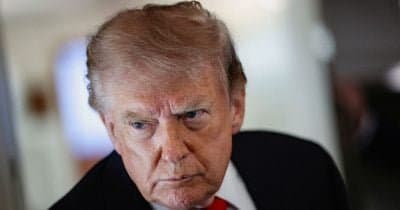
President Donald Trump declared that the United States is prepared to intensify military operations against Iran following ongoing assaults on Gulf states. This announcement marks a significant escalation amid the 2026 U.S.-Iran conflict, which has already involved U.S. airstrikes inside Iran and retaliatory Iranian missile and drone attacks targeting Gulf countries.
Mounting Tensions in a Strategic Region
The Strait of Hormuz remains a critical choke point, heavily influencing global energy security and regional stability. As attacks increase, the risk of further destabilization in this vital passage grows, complicating diplomatic efforts to resolve the conflict. Trump’s readiness to amplify strikes hints at a possible shift toward more aggressive U.S. military involvement rather than diplomatic negotiation.
Market reactions reflect this growing uncertainty. Currently, there is just a 30% chance that reconstruction funding will be included in any U.S.-Iran deal by the end of 2026, highlighting skepticism about the prospects for a peaceful resolution.
Observers continue to watch for new combat developments that may affect attempts at diplomacy. The roles of mediators such as Qatar and Pakistan could prove decisive in the coming weeks. Meanwhile, security of shipping lanes through the Strait of Hormuz will remain a key indicator of regional stability.
Material is informational and not financial advice.