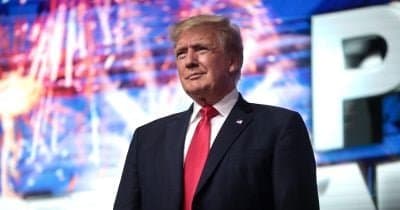
President Donald Trump wants Congress to slap tariffs on Iran by tacking them onto a sanctions bill originally aimed at Russia. This move is part of his administration’s ongoing push to tighten economic pressure on both countries. Instead of easing tensions, Trump's proposal signals a step up in the financial squeeze against Iran, reinforcing a tough stance rather than shifting towards military options.
Markets reacted quickly, with traders lowering the odds that the U.S. will lift its blockade on Iran anytime soon, especially before July 31, 2026. This decline in optimism highlights how Trump's tariff proposal is being seen as a sign of escalating economic friction. Investors are adjusting their bets as the relations between Washington and Tehran harden.
The tariffs fit into a pattern. Trump has already used executive actions and tariff threats against nations doing business with Iran in the past. Adding them to the Russia sanctions bill suggests a strategy of stacking economic tools rather than seeking diplomatic thaw. How Congress handles this addition will be closely watched, as it could reshape how America pressures Iran and impacts global trade routes, particularly through the Strait of Hormuz.
Watch for statements from both U.S. and Iranian officials in coming weeks. Moves by the U.S. Central Command or shifts in commercial activity in the region could offer clues about where policy is headed next. Meanwhile, markets continue to price in these developments against a backdrop of broader geopolitical shifts.
This content is informative and not financial advice.