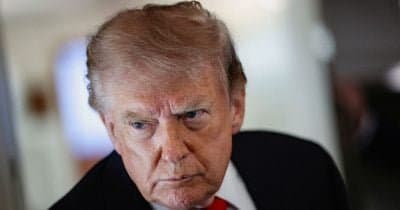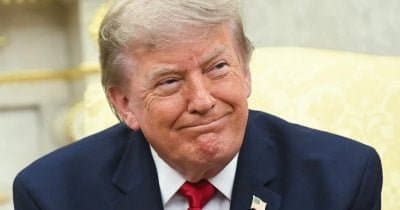
The U.S.-Saudi nuclear agreement, once seen as a straightforward pact, has taken an unexpected turn. Former President Donald Trump revealed that the deal now depends heavily on Saudi Arabia normalizing relations with Israel under the Abraham Accords. This condition marks a significant shift from the original terms, adding complexity to an already sensitive diplomatic environment in the Middle East.
Shifting Alliances and Regional Impact
This new stipulation ties the fate of the nuclear cooperation between the U.S. and Saudi Arabia to a major diplomatic milestone: Saudi Arabia’s official engagement with Israel. Until recently, the nuclear deal was viewed as a separate channel of cooperation, but now it appears to hinge on broader geopolitical developments. Analysts warn this could upset the delicate balance, especially considering ongoing U.S. negotiations with Iran over nuclear issues.
Meanwhile, U.S. defense ties with Israel have grown stronger. Congress approved expanded military cooperation without resistance, underscoring Washington’s continued support for Israel amid these shifting dynamics. This move suggests a strategic effort to reinforce alliances regardless of the uncertainties surrounding Saudi Arabia’s next steps.
Implications for U.S.-Iran Negotiations
The linkage between Saudi Arabia’s normalization with Israel and the nuclear deal could complicate talks with Iran. Recent market reactions have shown declining confidence in elements such as reconstruction funding that might be included in a potential U.S.-Iran agreement. The intertwining of these diplomatic threads injects uncertainty into an already fragile negotiation process, potentially delaying progress or altering deal expectations.
Observers are closely watching for Saudi responses. How Riyadh reacts to this new condition will shape not only its relationship with Israel but also its broader role in regional diplomacy. Any public statements from Saudi or Israeli officials could provide clarity on the likelihood of normalization and its influence on U.S. foreign policy.
This article provides information and is not financial advice.