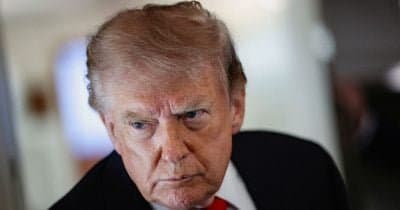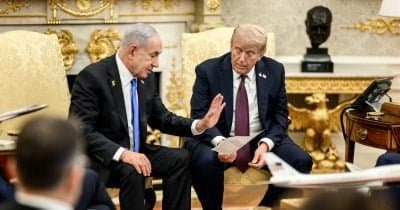
Donald Trump met with Israeli Prime Minister Benjamin Netanyahu and Ukrainian President Volodymyr Zelensky in separate meetings this week. Netanyahu urged Trump to consider a more forceful approach, hinting at the possibility of war, while Zelensky pushed for efforts to end the fighting in Ukraine. These conversations come at a time when tensions between Israel and Iran and between Russia and Ukraine are escalating, creating a fragile and volatile diplomatic environment.
The White House described the encounters as positive but gave no details on any breakthroughs. Netanyahu's stance suggests a tougher line in the Israel-Iran conflict, potentially making a ceasefire less likely. Meanwhile, Zelensky’s appeal for peace talks highlights a very different approach aimed at de-escalation, underscoring the sharp diplomatic contrasts between the two conflict zones.
Market reactions reflect this uncertainty. The probability of a ceasefire between Israel and Iran appears to have diminished, signaling concerns that the aggressive rhetoric might fuel further conflict. Observers are now closely watching for official statements or shifts in strategy that could alter the trajectory of these crises. Any new developments could rapidly influence both diplomatic efforts and market expectations, especially if Israel or Iran make decisive moves.
These meetings follow a period marked by heightened tensions, including recent US strikes on Iran that sent shockwaves through crypto markets. With the diplomatic scene so unsettled, the coming days will be critical for understanding whether these conflicts edge closer to resolution or intensify further.
This article is for informational purposes and does not constitute financial advice.