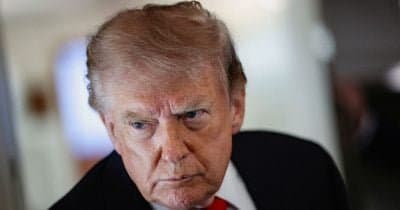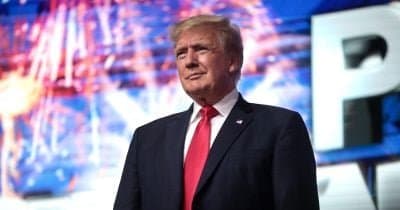
President Trump has connected the potential civilian nuclear cooperation agreement with Saudi Arabia to the kingdom’s normalization of relations with Israel. This linkage introduces a new layer of complexity into the ongoing negotiations, as Saudi Arabia continues to hesitate in normalizing ties without a clear path toward a Palestinian state.
Diplomatic Stakes Rise with Tied Conditions
The nuclear deal, which still awaits approval from the U.S. Congress, is no longer just a bilateral issue between Washington and Riyadh. It now intersects with broader regional diplomacy, specifically Saudi Arabia's possible entry into the Abraham Accords. Riyadh's insistence that normalization with Israel depends on Palestinian statehood has become a key sticking point, delaying progress and complicating U.S. efforts to advance the agreement.
Impact on Regional Diplomacy and Market Reactions
This development has repercussions beyond the U.S.-Saudi axis. Market watchers interpret the link between nuclear cooperation and Israel normalization as an indicator of increased unpredictability in Middle Eastern diplomacy, especially concerning U.S.-Iran relations. Prediction markets have responded by lowering the odds that peace talks between the U.S. and Iran will occur imminently. This suggests that the added condition might hinder progress on wider diplomatic initiatives in the region.
Attention now turns to whether Saudi Arabia will soften its position on normalization and how U.S. lawmakers will react to the conditional nature of the nuclear deal. Meanwhile, shifts in U.S.-Iran diplomatic engagement will be closely monitored as signals of evolving chances for peace talks or escalations emerge.