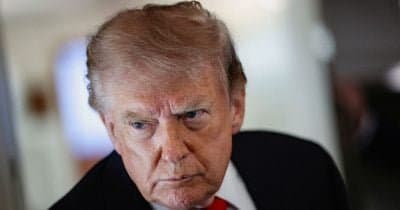
"We’re aiming for some form of de-escalation," said an insider close to the negotiations ahead of next week's discussions in Washington. Former U.S. President Donald Trump and Ukrainian President Volodymyr Zelensky will hold talks focused on a potential air ceasefire amid the ongoing conflict with Russia. This meeting is seen as a strategic move to revive stalled diplomatic efforts and possibly limit aerial attacks, though it falls short of signaling a full peace agreement.
The United States continues to play a central role in mediating the Russia-Ukraine conflict, but previous ceasefire attempts have repeatedly faltered. Current market assessments show a tempered sense of optimism: odds for a ceasefire by the end of 2026 sit at about 36%, unchanged recently, while the chances for an earlier truce by October have inched up to 23%. These figures reflect persistent skepticism about swift resolution, given how past proposals often failed to hold.
Attention now turns to what concrete progress might emerge from the Washington talks. Observers will be watching official statements closely for shifts in tone or policy, as well as market reactions signaling changing confidence. The focus strictly on an aerial ceasefire suggests a limited scope aiming to reduce immediate violence rather than address broader issues driving the war. That said, the involvement of high-profile figures like Trump and Zelensky indicates a push to explore new pathways forward amid a long stalemate.
Diplomatic developments like these often ripple through related markets, as seen recently when tensions elsewhere impacted commodity prices. For example, oil prices reacted sharply to geopolitical cues. How this latest initiative affects both on-the-ground realities and market sentiment remains to be seen, but the meeting marks a notable moment in an ongoing saga of fragile negotiations and cautious hope.