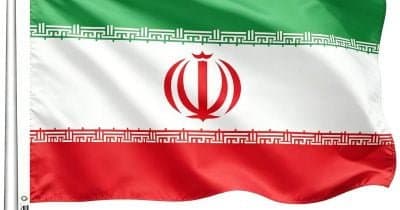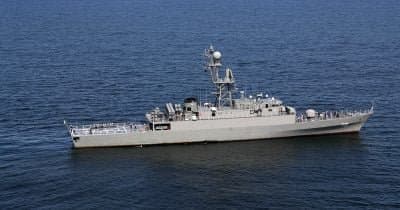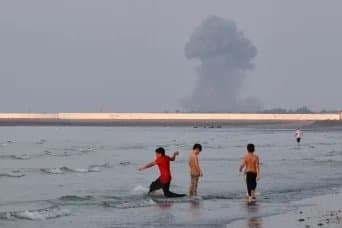
"We've got a real problem." That's what Pentagon officials are saying behind closed doors about ammunition supplies. The admission to President Trump hits differently when you're sitting across the table from Iran in mediated peace talks over the Strait of Hormuz. Qatar, Pakistan, and Oman are shuttling between sides, and now this shortage declaration adds concrete urgency to negotiations that affect global oil and LNG flows through one of the world's most critical shipping lanes.
The timing matters. Markets are already pricing in a 55% probability that US and Iran officials meet by August 31. That's not speculation anymore, it's prediction traders betting real money on de-escalation. When a military branch admits to supply constraints during active diplomacy, it signals something to both allies and adversaries: resources are stretched thin, and a resolution beats prolonged standoff. The Pentagon's candor, shared in a cabinet meeting, wasn't accidental. It changes the negotiating dynamic. Iran knows the US wants this done. The US knows Iran knows. That's exactly the pressure point mediators need.
Energy markets are watching every signal. The Strait handles roughly 20% of global oil and LNG traffic, so even hints of disruption send prices moving. A framework agreement or confirmed meeting date would be the market's green light for a YES outcome. Military escalation, weapons movements, or public recriminations would flip that bet the other way. Traders are watching White House statements, Iranian official channels, and any word from Oman or Qatar about next steps. What seemed like a months-long negotiation two weeks ago now feels like something that could resolve in days.
This article covers geopolitical developments affecting energy markets and crypto volatility. It's for informational purposes and shouldn't be taken as investment advice.