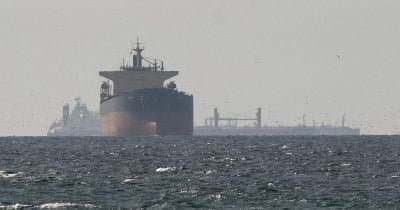
On July 28, 2026, growing conflict involving Iran has intensified threats to key oil export routes used by Saudi Arabia. Attacks near the Strait of Hormuz have pushed Saudi Arabia to rely more heavily on the East-West crude oil pipeline.
This pipeline carries oil from the eastern fields across to the Red Sea port of Yanbu. But now it faces new dangers from the Houthi militia, an Iran-backed group posing a direct risk near the Bab el-Mandeb Strait, another vital maritime chokepoint.
These developments unsettle crude oil markets with WTI prices now factoring in heightened supply risks. Although the probability of a full blockade remains low, traders are less confident about normal traffic passing through the Strait of Hormuz by the end of the month.
Watching Iranian naval activities and the Houthis will be critical in the coming days. Diplomatic efforts between the U.S. and Iran could shift this fragile balance, influencing global oil flow and pricing. Analysts from the International Energy Agency are expected to keep a close eye on the situation as it unfolds.
This content is for informational purposes only and does not constitute financial advice.