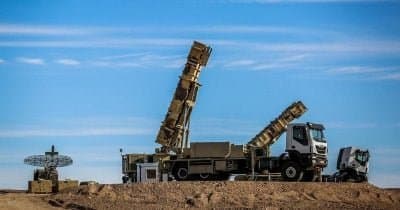
"We are taking every measure to ensure our airspace security," a Tehran-based analyst remarked as Iran reportedly activated its air defense systems in the capital city. This move comes amid persistent tensions with the United States and Israel, signaling a sharp increase in Iran's military alertness. The activation is seen as a response to what Iranian officials describe as ongoing hostile threats, underscoring the fragile state of regional security.
Market watchers have picked up on the heightened alert, pushing the probability of a full Iranian airspace closure closer to 60% by the end of August, according to prediction platforms. The situation is particularly fluid as both Iran and the U.S. have engaged in strikes and counterstrikes, fueling uncertainty about future developments. This has prompted many investors and traders to brace for potential disruptions in regional air travel and related markets.
Official word from Iranian aviation authorities is awaited, with close attention on announcements from the Civil Aviation Organization and Iranian state media. Any confirmation of airspace restrictions would have tangible impacts not only on commercial flights but also on military operations. Meanwhile, diplomatic signals from influential figures in Washington and Tehran could shift the current risk assessment, potentially calming or intensifying market nervousness.
This tension mirrors recent moves by Western countries adjusting their presence in Iran amid conflict fears, as seen when the UK and Germany withdrew embassy staff from Tehran. The ongoing air defense activation adds to a series of military escalations, including persistent US airstrikes targeting Iranian military sites. These events contribute to a volatile environment, with markets closely monitoring each development for signs of escalation or de-escalation.