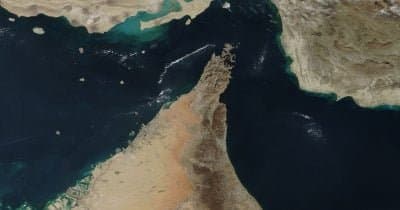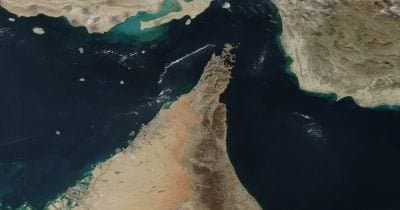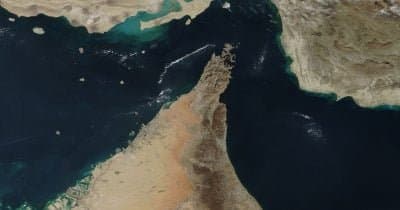
Iran has shut down any possibility of direct negotiations with the United States, according to statements from Tehran officials. The announcement lands hard against the backdrop of escalating tensions over the Strait of Hormuz, the waterway that channels roughly 20% of the world's oil. Diplomacy, it seems, has hit a wall.
Iranian media confirmed there are zero active discussions with Washington at the moment. The country is instead channeling conversations through Oman, a regional middleman, but those talks remain focused on the Strait itself rather than broader U.S.-Iran relations. This indirect route suggests Tehran has little interest in sitting across the table from American officials anytime soon.
Markets Price in Pessimism
Prediction markets immediately reflected the shift. Trading odds for a U.S.-Iran diplomatic meeting by September 30, 2026 dropped to zero across multiple venues, signaling investors see almost no chance of breakthrough talks in the near term. Oil-sensitive equities had rallied earlier on hopes of diplomatic progress, but this latest move from Tehran dampens that optimism considerably.
The standoff carries real consequences for energy markets. Any escalation in the Strait could disrupt shipping and push crude prices higher, which ripples through inflation expectations and equity valuations. Right now traders are pricing in continued tension rather than resolution.
What Comes Next
Watch for any statements from Trump's team or Iran's Foreign Minister Seyed Abbas Araghchi. Even small signals about willingness to engage could shift market pricing. Oman's role as mediator may also matter more than it appears, since back-channel talks sometimes precede formal negotiations. But for now, the official line from Tehran is clear: no talks with Washington, not yet.
This article is for informational purposes only and does not constitute financial advice. Market conditions and diplomatic situations change rapidly, so conduct your own research before making any investment decisions.