Iran's foreign ministry just threw cold water on the Oman agreement, saying it doesn't actually lock down security in the Strait of Hormuz. The announcement caught markets off guard, particularly traders pricing in a U.S.-Iran deal by mid-August.
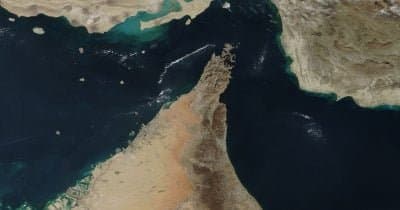
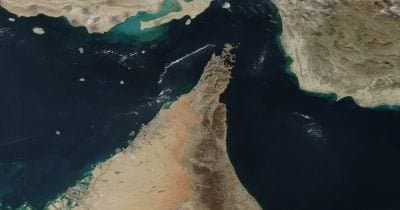
The Strait funnels roughly one-third of global seaborne oil through a 21-mile corridor between Iran and Oman. When Tehran signals control and governance questions stay unresolved, oil markets twitch. Prediction markets had been betting on a breakthrough by August 15, but Iran's latest statement suggests the bar for "breakthrough" keeps moving higher.
What's actually unresolved
The sticking point isn't whether talks happen. It's who runs what and how. Iran maintains that passing agreements with Oman don't address the deeper questions about oversight and operational control that would actually guarantee safe passage for tankers. Observers watching the negotiations flag this as a potential dealbreaker, one that could drag talks past the August deadline or reshape what any final agreement even covers.
Markets are now pricing in greater odds of a NO outcome, reflecting skepticism that parties will hammer out those governance details in time. Every statement from Iran or other stakeholders either tightens or loosens that probability.
What traders are watching
Diplomats and commodity desks are locked on the same calendar. Any signal that control and governance issues are moving toward resolution would likely push prediction markets toward YES. Conversely, more public statements from Iran highlighting gaps would reinforce the current bearish lean. The August 15 deadline remains the hard date everyone's tracking, though Iran's tone suggests it may come and go without resolution.
This article is informational only and does not constitute investment advice or a recommendation to trade. Geopolitical events can create volatility across energy and financial markets.