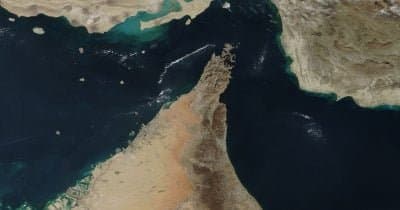
A senior Iranian official just made clear: the Strait of Hormuz will open or close based on what Washington does next. The stakes are enormous. Thirty percent of global oil shipments flow through these waters, and right now both sides are locked in a standoff over who controls access. Markets have already started pricing in the possibility of a deal. Betting odds on a US-Iran agreement by August 15 jumped to 69.5% from 62% in the past day alone, signaling traders think diplomacy might actually happen.
But here's the catch. Tehran's linkage strategy looks like a negotiation opening, yet the market is far less optimistic about actual traffic normalization by month's end, with just 18% odds. The gap between "we might talk" and "ships will actually move" matters hugely for crude prices and shipping insurance costs. Energy traders are watching every statement from both capitals. A few days of diplomatic silence and those odds could swing sharply. Military movements matter just as much as words now. If either side scales back forces near the strait, that signals serious progress. If rhetoric heats up instead, prices will follow.
The real test comes in the next two weeks. Formal announcements or quiet backchanneling from US or Iranian officials will be the tells. Any shift in how each side positions navy assets, or sudden changes in maritime traffic data, could flip market expectations overnight. For shipping companies and refineries already hedging their routes, the uncertainty itself has become expensive. Every day without clarity costs money.