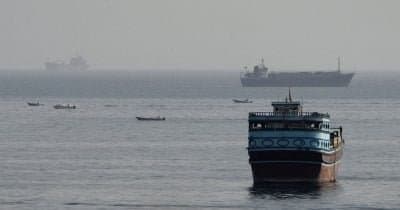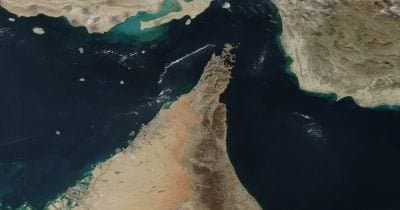
Iran's Foreign Ministry confirmed that Tehran and Muscat have agreed on the geographic parameters of a shipping corridor through the Strait of Hormuz, one of the world's most critical maritime choke points where roughly a third of seaborne oil passes daily. The deal is narrowly technical, focused on navigation routes rather than the broader political issues that have kept the region unstable for years.
The Strait sits at the intersection of geopolitical tension and market reality. Any disruption cuts off supplies to refineries across Asia, Europe, and beyond. So when two nations that border the waterway start talking specifics about where ships can sail, traders and policymakers take notice. Prediction markets have already shifted, with odds of the U.S. imposing transit fees by August 2026 ticking down slightly, suggesting investors see this as a small step toward cooler heads prevailing.
That said, this agreement doesn't resolve the deeper conflicts. Iran and Oman are handling the mechanics of passage, but questions about security, inspection rights, and U.S. policy remain unresolved. Statements from Washington, particularly from the Trump administration and Secretary of State Marco Rubio, could quickly reshape how markets price the risk of further escalation. One tough comment about Hormuz tolls or Iranian shipping could undo the modest confidence this announcement has built.
What happens next depends less on Tehran and Muscat than on whether this technical progress opens space for bigger conversations. Observers should watch for any signals that the agreement is expanding beyond navigation charts into actual political negotiations. Until then, this remains what it is: a narrow win for diplomacy in a region where narrow wins rarely stay narrow for long.