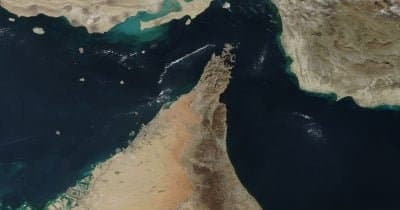
Only one tanker passed through the Strait of Hormuz on July 23, marking the fewest crossings since early May. This sharp decline highlights the escalating tensions between the U.S. and Iran, which have severely disrupted one of the world’s most vital shipping routes.
Impact of the 2026 Strait of Hormuz Crisis
The recent downturn in tanker traffic traces back to renewed hostilities in the Gulf region. Iranian attacks on vessels and a reimposed U.S. blockade on shipments linked to Iran have drastically reduced maritime activity. The Strait of Hormuz, a narrow passage through which around 20% of global oil passes, now faces what some experts call a near-standstill in commercial shipping.
This disruption threatens global energy markets and regional stability. Oil prices have already reacted to the situation, with Brent crude climbing above $100 per barrel as geopolitical risks mount. The situation recalls other flashpoints where maritime security and international diplomacy collide, underscoring how fragile the supply lines remain.
Market Sentiment and Future Outlook
Trading floors reflect the uncertainty with a cautious stance. The market prices only a 21.5% chance that tanker traffic will return to normal levels by September 30. This probability has remained steady over the past week, signaling skepticism that the conflict will ease soon.
Investors and analysts are watching closely for signs of a ceasefire or diplomatic progress. Conversely, any new attacks or military escalations would likely push the market toward an even lower confidence in restoration of normal passage. Statements from U.S. and Iranian officials will be critical in shaping expectations around this maritime bottleneck.
Broader Regional Effects and Related Developments
Heightened tensions here resonate beyond maritime trade. The recent oil price surges linked to Middle East conflicts illustrate how local escalations ripple through global markets. Meanwhile, military actions and drone strikes like the US drone strike in Khorramabad fuel uncertainty and complicate prospects for peace.
Keeping an eye on these interconnected events is key. The Strait of Hormuz remains a flashpoint where geopolitics and economics entwine tightly, with each new incident potentially shifting the delicate balance.
This content is for informational purposes and does not constitute financial advice.