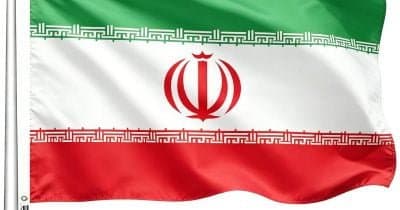
One-fifth of the world's oil passes through the Strait of Hormuz every single day. That chokepoint just got a little less tense. Iran and Western envoys restarted backchannel negotiations in Muscat this week after President Trump suspended planned military strikes on Iranian energy infrastructure, sending Bitcoin higher as geopolitical risk unwound across energy and crypto markets.
Iranian Foreign Minister Abbas Araghchi is sitting at the table himself, which is the kind of signal that tells you Tehran is not messing around. The talks center on how to actually manage the Strait, not on grand nuclear settlements. Oman, playing neutral middleman since April 2025, is hosting again. Trump pulled back on August 2 from what would have been a direct hit on Iran's energy infrastructure. Bitcoin reacted positively within hours.
The current round builds on prior rounds of indirect negotiations held between 2025 and 2026, with Oman shuttling messages between Washington and Tehran. Iran's attacks on commercial vessels had created a tit-for-tat cycle. The US responded militarily on several occasions, and energy markets stayed perpetually on edge. Focusing specifically on Strait management rather than trying to solve the entire nuclear file in one sweep looks like the more achievable path forward.
Traders should watch for concrete announcements from Muscat about Strait protocols in the coming weeks. If these discussions expand to include nuclear issues, that signals a broader diplomatic thaw and a more sustained reduction in Middle East risk premiums.
This article is informational only and should not be construed as financial advice or investment recommendation.