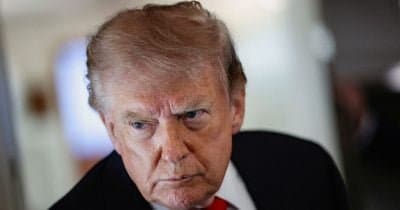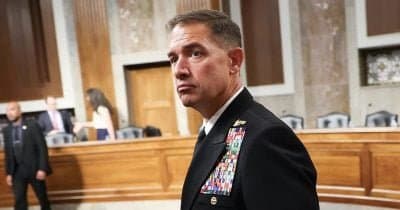
Mohammed bin Salman picked up the phone. The Saudi Crown Prince had a simple message for Trump: slow down on Iran. As tensions spike across the Middle East, Riyadh is quietly walking a tightrope between Washington and Tehran, trying to stop this from turning into something bigger than anyone wants.
The calculus is straightforward. Trump had paused Iran strikes, but the pressure to act remains. Saudi Arabia sees the danger. Any military escalation doesn't just hurt Iran, it scrambles the entire region. Oil prices spike. Shipping routes become battlegrounds. Riyadh's economy feels the tremor even while its defenses hold strong.
What makes this move significant is that Saudi Arabia isn't asking for appeasement. The kingdom has been crystal clear: it will defend itself if attacked. Full stop. But there's a difference between holding your ground and throwing the first punch. Diplomacy buys time. It also buys credibility with both sides, which matters when you're sitting in the middle of a powder keg.
Markets are already pricing in the shift. Traders betting on when, if ever, the U.S. lifts its blockade on Iran have shifted their expectations. The delays Riyadh is requesting change the timeline. What was supposed to happen by September now looks like it could slip into late fall, if it happens at all. That uncertainty alone moves oil futures and ripples through crypto volatility.
The real question isn't whether Saudi Arabia will succeed, but what happens if it doesn't. If Trump ignores the request and orders strikes anyway, then Riyadh's diplomatic card is played and burned. The kingdom would face a choice: sit it out or get pulled in. Neither option looks clean.
This article covers geopolitical developments with potential market implications. It's informational only and should not be considered investment guidance or a recommendation to trade any asset.