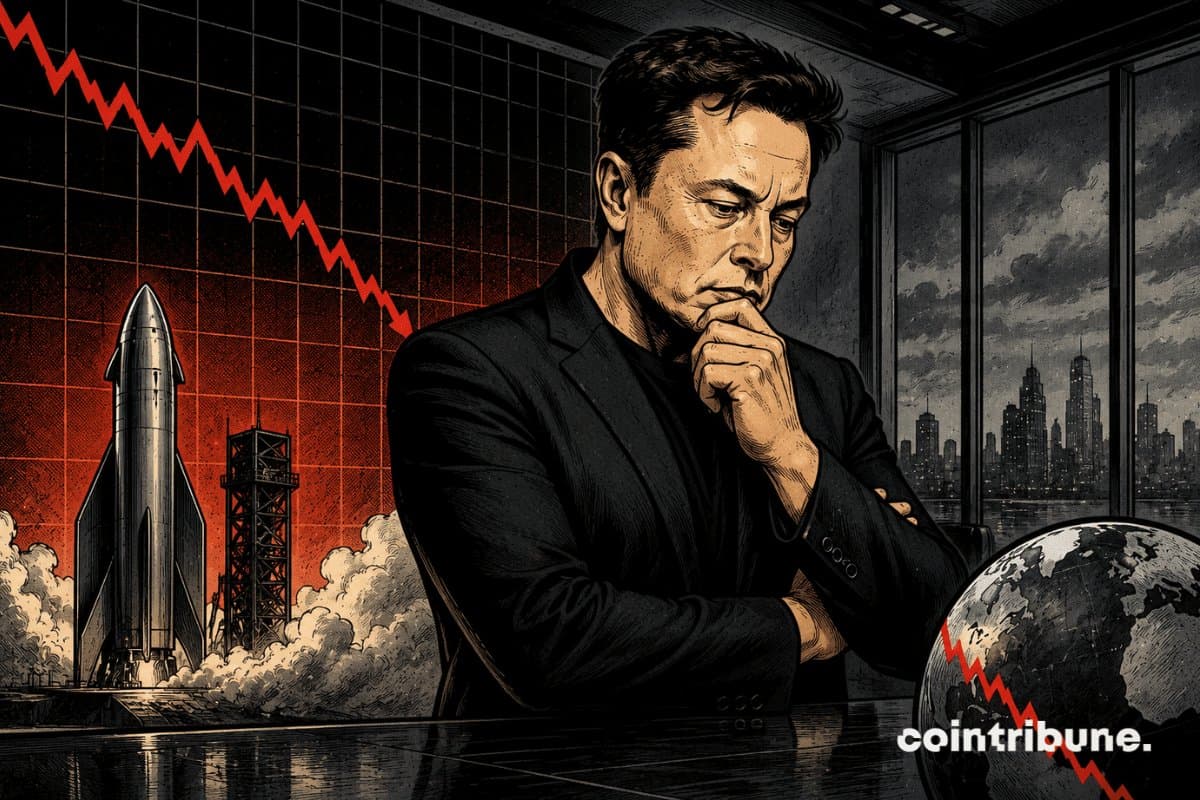
On July 23, SpaceX's stock tumbled to around $111, marking an 18% decline from its $135 IPO price less than two months ago. This plunge erased over $1 trillion from the company's market capitalization, bringing it down to about $1.5 trillion from a peak above $2.6 trillion in mid-June.
SpaceX's IPO launch on June 12 was historic, raising $85.7 billion after underwriters exercised an overallotment option, pushing the initial price to $160.95. The stock surged to an intraday high of $225.64 on June 16, fueled by strong investor enthusiasm and the scarcity of available shares. However, the limited float also magnified volatility, leading to a swift correction as traders started locking in profits.
Short sellers took advantage of the volatility, generating an estimated $15.5 billion in virtual gains during the slide. Nearly 360 million shares, about 56% of tradable stock, were borrowed by bearish investors, intensifying selling pressure. Questions about the company’s valuation priced at nearly 40 times expected 2026 revenue added to market skepticism.
Operational Challenges Weigh on Sentiment
The stock decline also reflects concerns over SpaceX’s recent performance. The Starship test flight experienced a one-second delay, and the company reported a net loss of $4.28 billion in Q1 2026. With the next earnings announcement scheduled for August 4, investors remain cautious.
Adding to the impact, Tesla shares dropped 14% the same day, together slicing $35.2 billion off Elon Musk’s net worth. The simultaneous dip in both companies highlights the volatility surrounding Musk’s holdings and renews scrutiny of tech giants with ambitious valuations and bitcoin assets on their balance sheets.