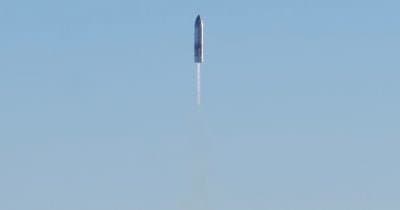
SpaceX’s historic IPO on June 12 sparked huge excitement, raising about $75 billion as shares debuted at $135 each. Initial market capitalization hit close to $1.8 trillion, making it the largest IPO ever.
However, enthusiasm faded fast. By mid-July, shares dropped to around $124, slicing nearly $1 trillion off SpaceX’s market value. Investors who bought near the peak on June 16 now face losses exceeding 25%. This rapid decline marks the fastest trillion-dollar devaluation seen in any IPO.
Revenue and Crypto Fallout
SpaceX’s valuation at its peak was roughly 95 times its 2025 revenue, which stood under $19 billion. The steep price-to-sales ratio raised concerns about sustainability. Meanwhile, several crypto platforms tried to ride the wave by offering tokenized SpaceX shares. These products allowed traders to gain exposure without traditional brokerages, but most failed to secure the actual shares behind the tokens. This resulted in refunds totaling about $557 million as platforms scrambled to return funds.
The core issue was not the token technology itself but the lack of proper securities settlement infrastructure. When demand surged suddenly, platforms selling tokenized shares without guaranteed allocations essentially handed out IOUs, hoping to fill them later. This exposed major weaknesses in bridging decentralized finance and traditional securities markets, echoing challenges seen across other parts of the crypto space.