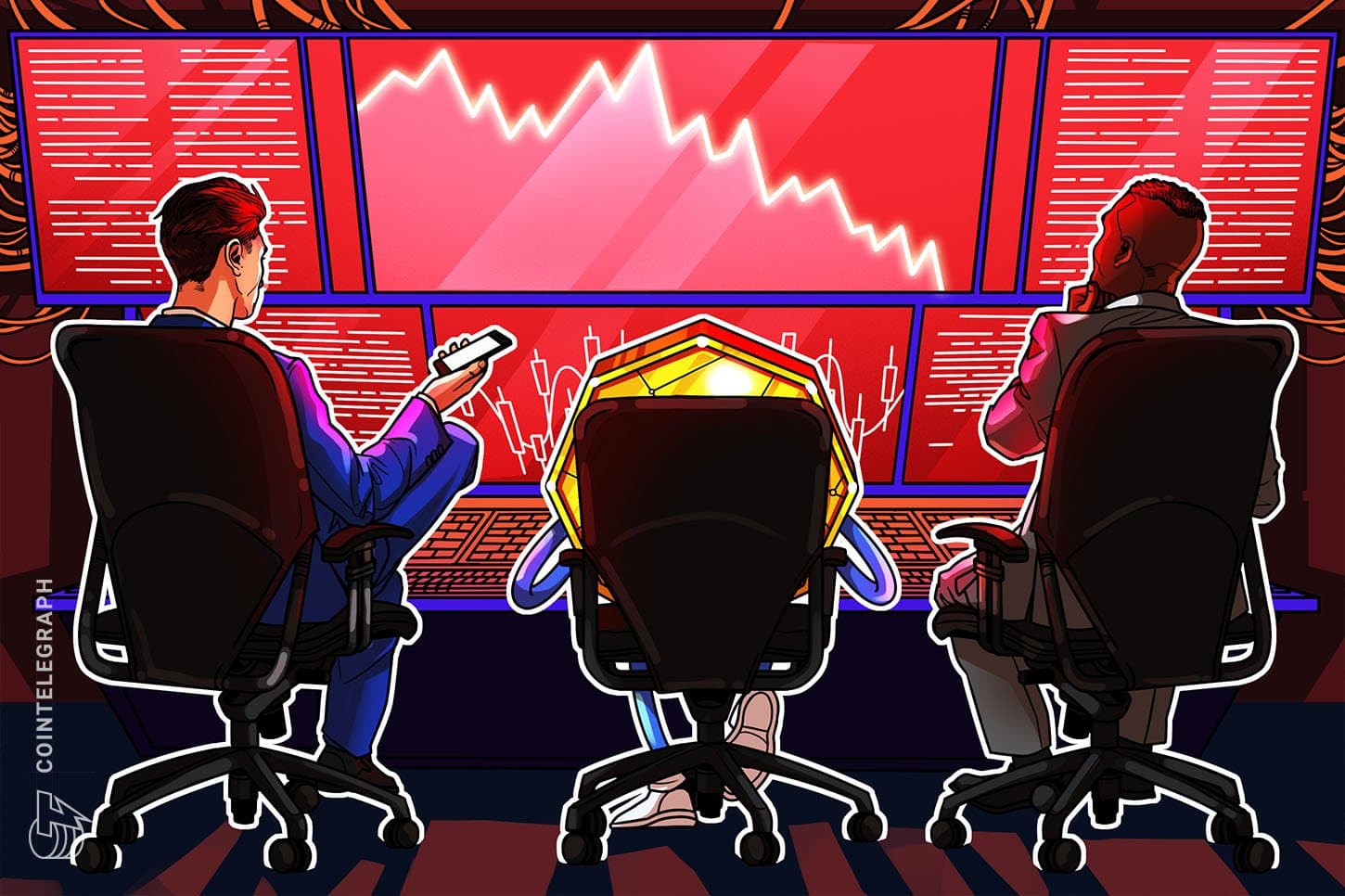
South Korea’s financial authorities convened an urgent meeting Wednesday evening after the KOSPI index plunged nearly 40% from its June peak, marking its worst monthly performance ever. The sharp decline has rattled Asia’s equity scene and forced regulators into crisis mode.
Finance Minister Koo Yun-cheol led the gathering, which included the Financial Services Commission, the Financial Supervisory Service, and the Bank of Korea. The meeting follows a series of circuit breakers triggered throughout July, automatic pauses meant to curb panic selling and prevent a market freefall.
Semiconductors Drag Down the Market
The semiconductor sector has been the epicenter of the turmoil. Heavyweights like SK Hynix and Samsung Electronics, which represent a significant portion of the KOSPI's total market cap, have seen investor confidence evaporate amid fears over the chip cycle’s future. Retail investors, who hold outsized sway in South Korea’s markets compared to other developed economies, have been net sellers, accelerating the downturn.
This isn’t the first time regulators have scrambled this month. A similar emergency session took place in mid-July, resulting in new restrictions on single-stock leveraged ETFs and ETNs. These products, popular with retail traders chasing short-term momentum, had added volatility to the market.
The weakness in major chipmakers also has implications beyond stocks. SK Hynix produces high-bandwidth memory key for AI data centers, and Samsung is a major semiconductor foundry. This downturn could foreshadow headwinds for the AI sector, which has been a key driver for both tech shares and some crypto tokens. For context, the growing AI chip shortage highlighted by Elon Musk shows how critical these companies are to the tech ecosystem.
South Korea’s vibrant retail crypto market often mirrors risk appetite shifts seen in equities. Any prolonged malaise in the semiconductor space could spill over, influencing investor sentiment in digital assets.
This material is for informational purposes only and does not constitute financial advice.