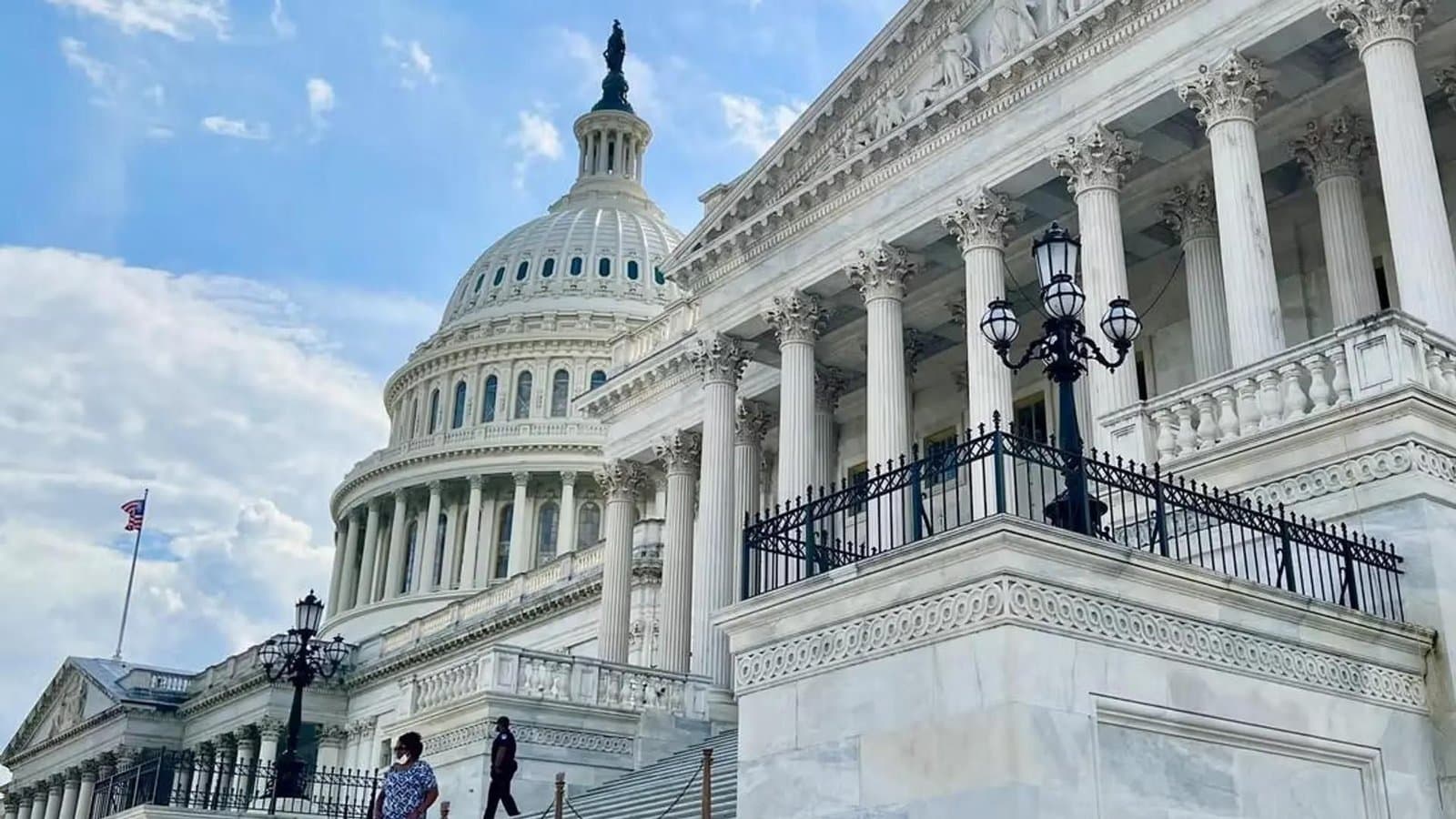
The U.S. Senate has postponed discussions on the crypto Digital Asset Market Clarity Act, shifting its attention to other pressing matters on its agenda. Majority Leader John Thune prioritized a package of federal nominations and a sanctions bill targeting Russia, which has taken precedence over the crypto legislation for now.
Senate's Packed Schedule Pushes Crypto Bill Back
Thune began advancing the nominations early in the week and planned to move on to the Russia sanctions bill shortly after, initiating the Senate’s cloture process a complex procedure that involves several steps and waiting periods before a final vote can occur. Given the Senate’s rules generally limit consideration to one contentious bill at a time, it is unlikely the Digital Asset Market Clarity Act will be addressed until after these matters are resolved.
Adding to the Senate’s focus on Russia, the sanctions bill honors the late Senator Lindsey Graham, who supported the legislation. His funeral services this week have also drawn the chamber’s attention, particularly on Tuesday and Wednesday.
Even if the Clarity Act receives preliminary action next week, it faces a tight deadline as the Senate is scheduled to begin its summer recess on August 8. Meanwhile, negotiations continue over a divisive clause that would prohibit senior government officials, including former President Donald Trump, from endorsing crypto projects stalling progress on the bill.
The Senate’s limited floor time means every hour is fiercely contested, and the leadership is closely watching vote counts before committing to the Clarity Act. This delay adds uncertainty for the crypto industry awaiting a clear regulatory framework in the U.S.
The Senate’s packed agenda highlights how legislative priorities affect crypto policy development, especially when geopolitical issues like Russia sanctions demand urgent attention.