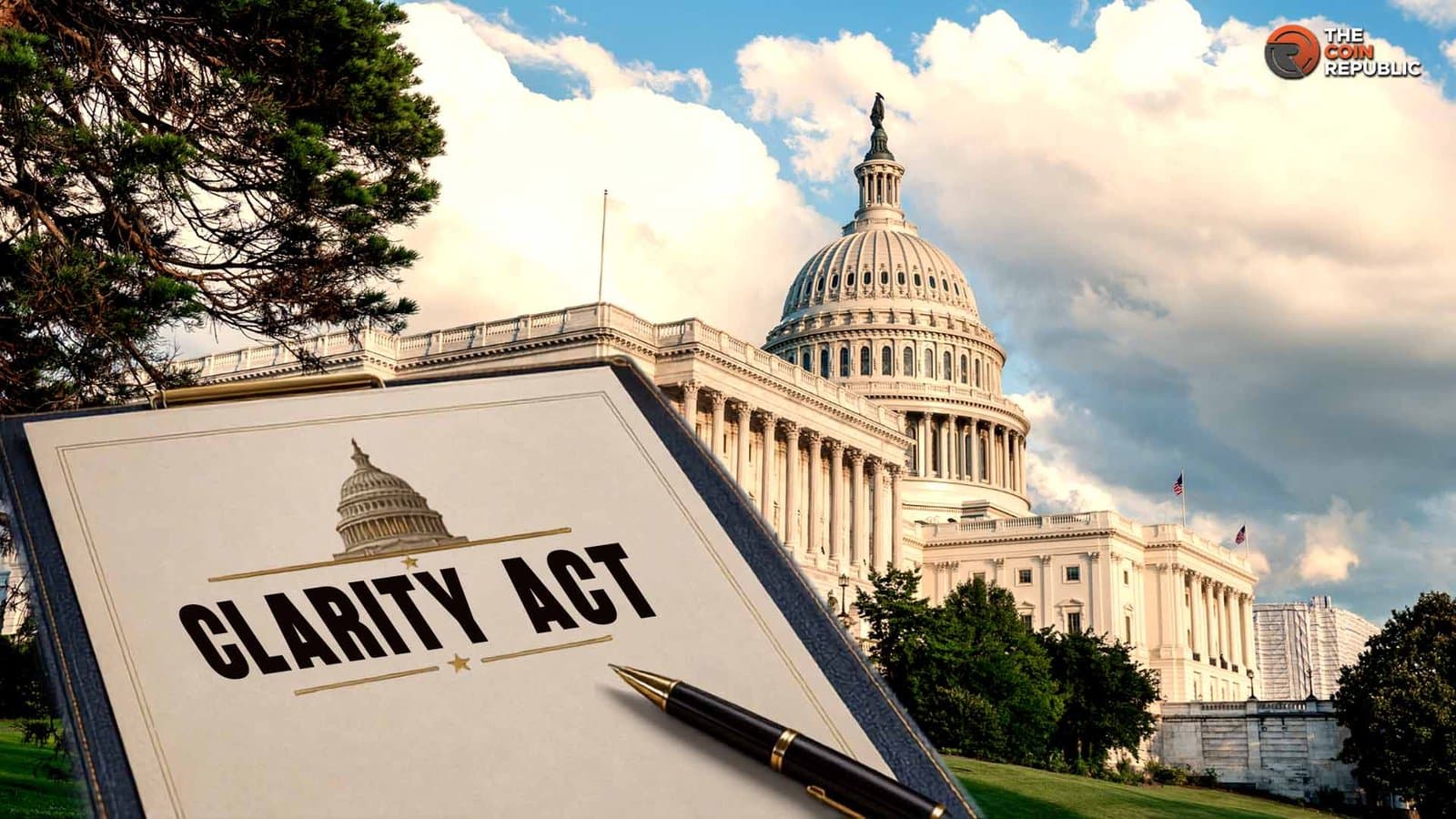
The CLARITY Act is edging closer to a Senate vote after revised legislative text merged proposals from two key committees. Senator Cynthia Lummis announced on July 22 that the updated bill combines the Senate Banking Committee’s financial oversight rules with the Agriculture Committee’s digital commodity framework, creating a more unified regulatory approach for cryptocurrencies.
Consolidated Bill Aiming to Clarify Digital Asset Oversight
The bill seeks to allocate regulatory responsibilities between federal agencies while setting clear guidelines for digital asset intermediaries. Earlier in May, the Banking Committee approved the measure with a 15-9 vote, and the Agriculture Committee had already pushed through legislation granting the Commodity Futures Trading Commission authority over digital commodity markets. Bringing these efforts together marks a significant step toward establishing a full market structure, though final Senate approval is still pending.
With the August recess approaching, pressure is rising to finalize the bill. Senate leadership has yet to confirm a date for a floor vote, leaving the timeline tight for lawmakers eager to pass the legislation before the congressional break.
Goldman Sachs CEO Endorses the Push Despite Policy Disputes
David Solomon, CEO of Goldman Sachs, has publicly backed advancing the CLARITY Act, signaling strong support from a major player in the financial industry. His endorsement carries weight as political debates continue to swirl around the bill’s details.
Key sticking points persist, especially around ethics enforcement. The latest draft restricts certain federal officials from promoting digital assets while in office, but disagreements have intensified over enforcement authority. Senator Elizabeth Warren opposes limiting enforcement to the Justice Department, warning it could shield high-ranking officials, including a sitting president, from accountability. Her stance highlights ongoing Democratic concerns spanning investor protection, financial stability, and national security.
Opposition from Various Sides Keeps Final Passage Uncertain
Besides ethical enforcement disagreements, banking groups remain critical of proposed stablecoin reward rules, maintaining resistance to parts of the bill. Crypto advocates see the enforcement debate as potentially the last major hurdle, but official statements suggest several unresolved issues could still delay progress.
Lawmakers face the challenge of building enough bipartisan support to carry the bill across the finish line. The evolving CLARITY Act process reflects broader tensions between innovation-friendly regulation and cautious policymaking in the digital asset space.