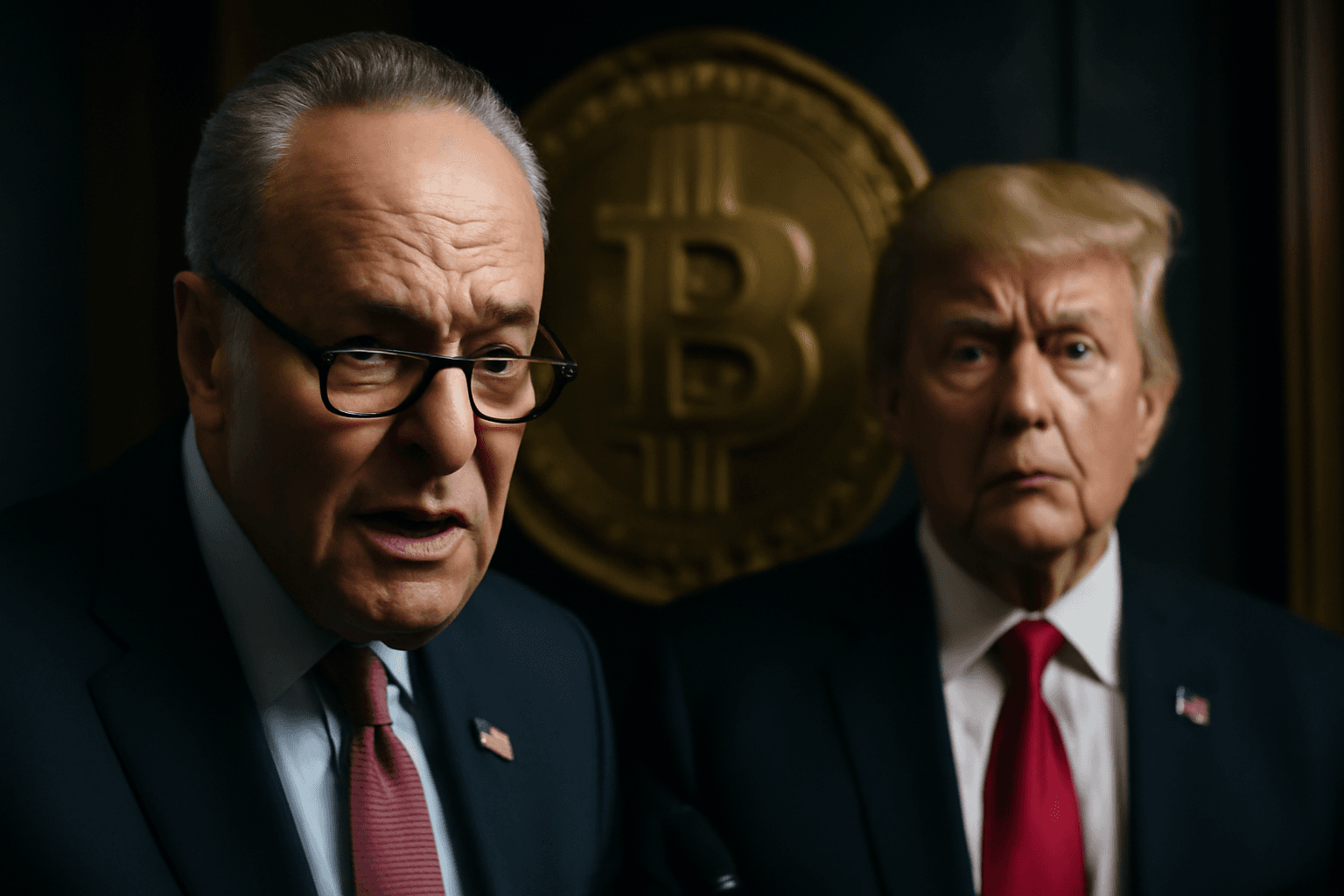
The financial disclosure from Donald Trump revealed crypto-related income exceeding $1.4 billion in 2025 alone. This staggering figure pushed Senate Minority Leader Chuck Schumer to introduce legislation aiming to establish a dedicated anti-corruption bureau, designed to investigate executive-branch misconduct.
How the Proposed Anti-Corruption Bureau Would Work
Schumer’s bill plans to consolidate the Federal Election Commission, Office of Government Ethics, and Office of Special Counsel under a single independent bureau governed by a seven-member board confirmed by the Senate. This board would wield subpoena power, enforce rules nationwide, and publicly report on findings. The legislation also empowers state attorneys general and private parties to recover funds potentially obtained through corruption, including provisions for disgorgement and treble damages.
Trump’s Disclosure Drives Legislative Momentum
The $1.4 billion linked to crypto ventures is part of a broader $2 billion total in investments and business interests Trump reported for 2025. These amounts reflect gross income and transaction data, not net profit or illicit activity, but the scale caught lawmakers’ attention. The bill’s launch, supported by four Democratic senators including Andy Kim, Alex Padilla, and Jeff Merkley, notably has no Republican cosponsors yet. Advocates argue this agency could close gaps in oversight across several watchdog bodies, streamlining corruption investigations and enforcement.
This material is informational and not financial advice.