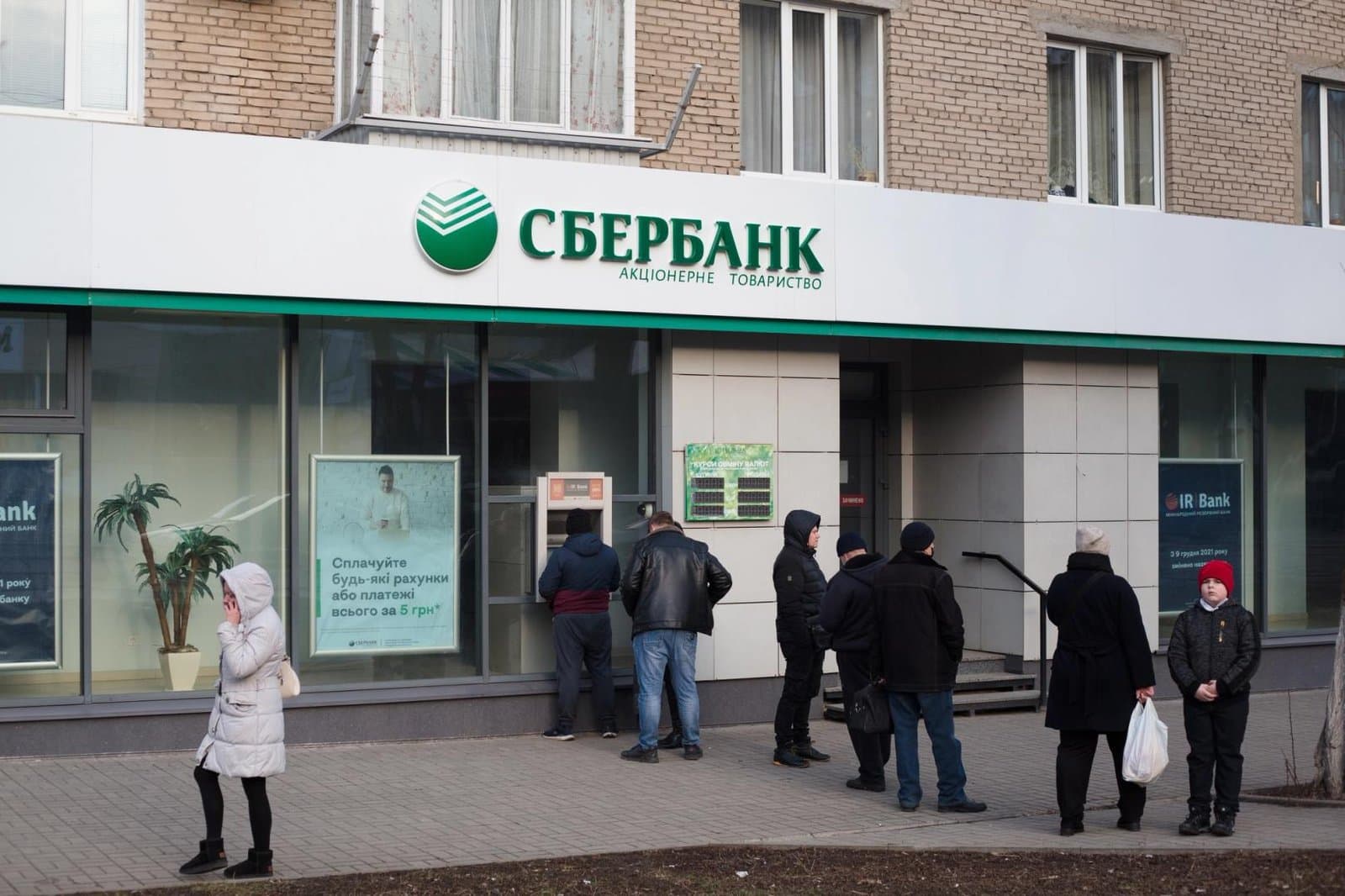
Sberbank, the largest bank in Russia, aims to roll out its cryptocurrency trading infrastructure and a digital depository by December 1. This move aligns with Russia's upcoming regulatory framework for crypto activities, which goes into effect on September 1.
New Regulatory Landscape for Crypto in Russia
The new laws set clear guidelines for licensed brokers, exchanges, asset managers, and depositories involved in crypto trading and custody. While the framework kicks off this fall, mandatory use of licensed intermediaries for transactions will only become compulsory from July 2027.
Public exchanges will only handle cryptocurrencies that meet significant liquidity and market size criteria. These requirements include maintaining a market capitalization exceeding 5 trillion rubles (around $64 billion) and a daily trading volume above 1 trillion rubles (about $12.8 billion) over the last two years. However, qualified investors will enjoy access to a broader selection of digital assets. Meanwhile, crypto payments for goods and services within Russia remain banned.
Sberbank’s Role and Past Initiatives
The digital depository Sberbank plans will mainly keep records of clients' crypto ownership and conduct most transactions off-blockchain. The bank will manage active wallets for deposits, withdrawals, and transfers initiated by clients.
Last year, Sberbank introduced structured bonds tied to bitcoin for qualified investors and completed a bitcoin-backed lending pilot with the mining company Intelion Data in December. This gradual incorporation of crypto into Russia’s regulated financial ecosystem builds on a 2024 law that legalized crypto mining and established experimental regimes for cross-border crypto settlements.
also in 2025, the Bank of Russia expanded crypto product access to qualified investors. It also proposed testing limited direct crypto purchases for retail customers, capped annually at 300,000 rubles per intermediary.
This information is for educational purposes and not financial advice.