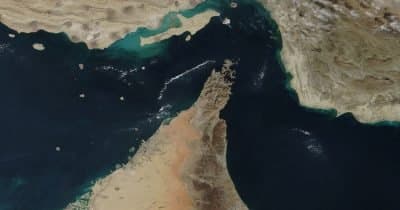
A cargo vessel took direct fire off Oman's coast in what the UK Maritime Trade Operations describes as a projectile strike. The incident marks another flare-up in an already volatile corridor where geopolitical tensions routinely disrupt one of the world's most critical shipping lanes.
The Strait of Hormuz, through which roughly a fifth of global oil passes, has become increasingly unpredictable. Market participants have grown visibly more pessimistic about a quick return to stable operations. Just a week ago, traders pricing the odds of normal traffic by September 30 placed them at 26%. As of now that figure has slid to 22.5%, down another 1.5 percentage points in the past day alone. Each attack, or even the rumor of one, chips away at whatever confidence remained.
What happens next depends on Tehran and Washington
The real driver of further escalation sits with Iranian officials and U.S. defense leaders. Their next moves, or non-moves, will determine whether this single strike balloons into a sustained campaign or fades as an isolated incident. An official statement denying involvement, a ceasefire signal, or even quiet diplomatic backchanneling could stabilize prices. Conversely, retaliatory rhetoric or evidence of coordinated attacks would push probabilities lower still.
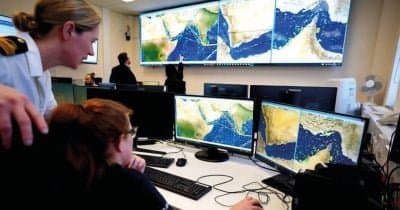
Maritime agencies including UKMTO will be watching traffic patterns closely over the coming weeks. Any fresh incidents, threat assessments, or disruption data could swing market sentiment sharply. For now, the numbers tell a simple story: traders believe the Strait of Hormuz is getting riskier, not safer.
This article is informational only and does not constitute financial or investment advice. Market forecasts reflect speculative pricing and carry substantial uncertainty.