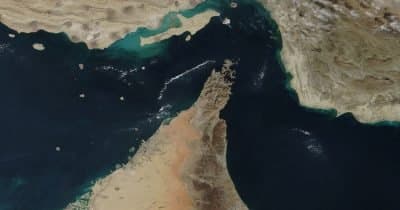
CENTCOM confirmed this week that U.S. forces are actively boarding, disabling, and redirecting commercial vessels headed for Iran. The naval blockade in the Strait of Hormuz has entered a more aggressive phase, with military personnel conducting kinetic enforcement operations rather than passive monitoring.
The timing matters. Prediction markets just shifted their odds on whether the blockade ends by August 31, 2026. The probability dropped to 55% YES, signaling traders now expect the embargo to stick around longer. That's a meaningful move. A few weeks back, sentiment was more optimistic about a near-term resolution.
What changed? The boarding operations themselves. Traders interpret hands-on interdiction as a sign Washington is committed to the long game, not just posturing for negotiations. When military assets start physically stopping ships, markets read it as seriousness.
Geopolitical Signals Matter
Any official statement from Trump's administration or Tehran could flip the script fast. Renewed diplomatic channels would send markets scrambling to reprice the odds upward. Conversely, an Iranian escalation or a U.S. military incident in the strait would push probabilities lower. The blockade sits at the intersection of oil markets, shipping insurance costs, and broader Middle East tensions, so even small policy shifts ripple outward.
For now, the enforcement posture tells the market one thing: this isn't ending soon. Prediction markets are pricing in a prolonged standoff, and CENTCOM's latest moves only reinforced that read.
This article is informational only and should not be construed as financial or geopolitical advice. Blockade policies and market conditions change rapidly.