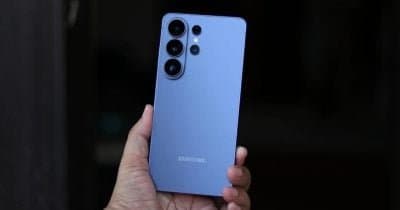
Samsung Electronics and SK Hynix are finalizing substantial multi-year memory chip supply agreements with leading American tech firms. The announcements come during South Korean President Lee Jae Myung’s trip to San Francisco, where a senior official hinted at the deals' impressive scale. This move highlights a shift in the semiconductor industry, driven by an unprecedented surge in demand for advanced AI memory components.
Rising Demand for High-Bandwidth Memory
The explosion of AI applications has created an urgent need for high-bandwidth memory (HBM), which powers intensive training and inference processes. SK Hynix has already made strides by partnering with Nvidia in June 2026 on developing next-generation AI memory tailored for data centers and supercomputers. also the company received exceptional investment offers from global tech players aiming to back new production capacities, reflecting the booming appetite for memory chips optimized for AI workloads.
Market Dynamics and Geopolitical Context
Samsung and SK Hynix together account for a dominant share of the worldwide memory chip market. Their move to lock in long-term contracts marks a strategic attempt to bring stability to a sector known for its price volatility and uncertain revenue streams. The timing of these announcements during a diplomatic visit shows how semiconductor supply agreements have become intertwined with broader economic and strategic relations between South Korea and the United States. Strengthening tech alliances holds growing importance as the global competition over semiconductor dominance intensifies.
While SK Hynix leads with its established HBM technology and partnerships, Samsung’s new US contracts could indicate whether it is catching up in this critical segment or remains a step behind its domestic competitor. The outcome will influence how the memory chip landscape evolves amid soaring AI-related demand.