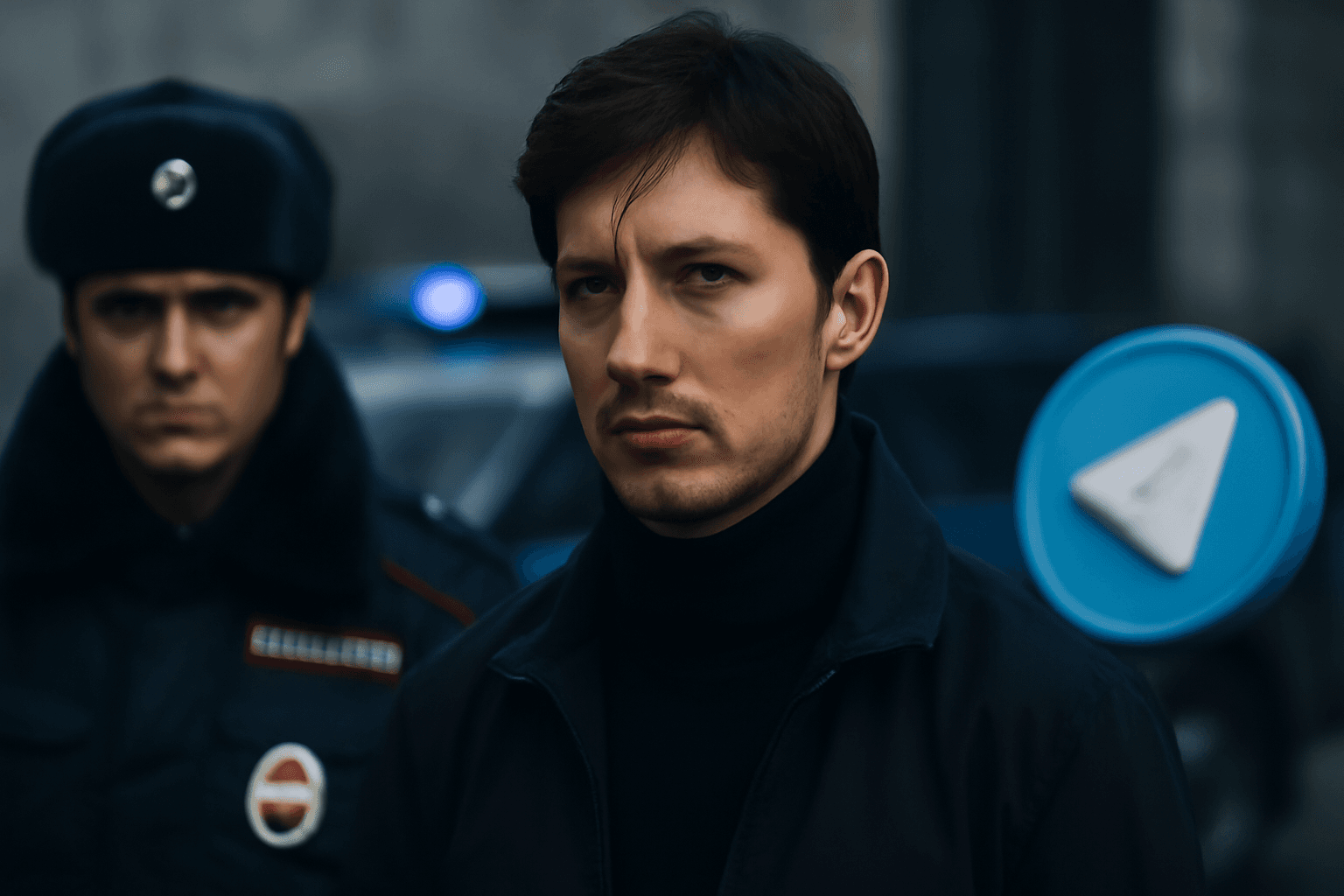
Pavel Durov, the founder of Telegram, faces serious accusations from Russia’s FSB. The agency claims Telegram enabled terrorism by allowing Ukrainian intelligence to recruit Russian citizens through the app. The FSB escalated its efforts by issuing an international arrest warrant for Durov and announced plans to add him to their most wanted list.
According to Russian officials, Telegram was used by Ukrainian operatives to lure young Russians, including minors, for cyberattacks inside Russia. They specifically mention recruitment efforts via Telegram bots and a chatbot named “Daivinchik” (Leo) that supposedly facilitated this process. Over the past year, 46 people between 12 and 22 years old have been arrested in connection with these charges.
Telegram’s response was defiant. Its official X account shared a provocative image of Durov giving a middle finger. Historically, Durov has maintained that Telegram cooperates with legitimate legal requests but draws a firm line against compromising user privacy or enabling government censorship.
The controversy comes amid Telegram’s role as a central communication tool in the ongoing Russia-Ukraine conflict. Both sides including Ukrainian government bodies, Russian military bloggers, and various aid groups actively use Telegram to exchange military updates, drone footage, fundraising calls, and emergency notifications, creating a complex digital battleground.
This situation highlights the difficult position messaging platforms face in wartime scenarios. Governments expect encrypted services like Telegram to act against terrorist content, block recruitment efforts, and assist in investigations. However, any moderation or intervention risks being viewed as political alignment rather than neutral facilitation.
Following the announcement, Gram, the native token of the Telegram-originated TON blockchain, declined about 3% in value, reflecting immediate market unease.
This material is for informational purposes and does not constitute financial advice.