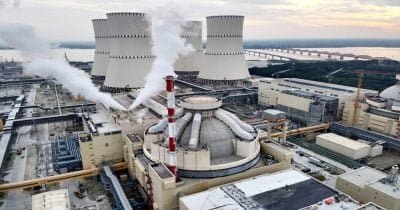
Imagine trying to pay for a massive nuclear plant without access to the US dollar. That’s the exact challenge Russia and Bangladesh are tackling as they work on the Rooppur Nuclear Power Plant project. Russia has proposed using Indian rupees instead of dollars to settle payments, a clever way to dodge US sanctions that blocked traditional banking routes following Russia’s invasion of Ukraine in 2022.
Bangladesh’s need for the nuclear plant’s completion is urgent. Yet partnering with Russian firms under US sanctions risks secondary penalties from Washington. After attempts to use Chinese yuan fell through, India’s currency became the next logical step. Geographically close and economically linked, Bangladesh already trades about $1.8 billion worth of goods annually with India, meaning rupees circulate widely in its financial ecosystem.
The plan involves setting up a dedicated payment infrastructure and might even see a Russian bank open a branch in Dhaka. Bangladeshi officials are still weighing the details, with more talks expected in upcoming intergovernmental meetings this fall.
While no cryptocurrencies or blockchain tech are directly involved in this deal, the situation highlights how countries under sanctions keep looking for alternative payment channels. Crypto and stablecoins have emerged in similar contexts as flexible tools to move value when traditional systems shut down. Russia itself has explored using its digital ruble for such purposes, and BRICS nations are considering digital currency swaps to facilitate trade.
This maneuver comes amid talks in the US Senate about expanding sanctions that could also affect Russian energy buyers like India and China. That adds another layer of complexity for all parties trying to keep essential projects running despite geopolitical pressures.
This article provides informational content only and is not financial advice.