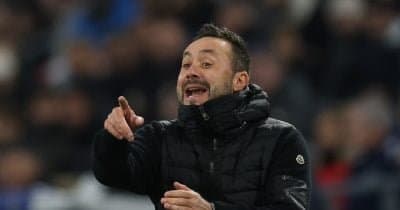
Roberto De Zerbi has made it clear during Tottenham’s pre-season tour in Australia and New Zealand that players must fully embrace the club’s vision or leave immediately. The new manager’s message to the squad is straightforward: no halfway commitment will be tolerated.
Tottenham’s bold investment and fresh start
Tottenham has completely transformed its roster this summer, investing approximately £237 million (around $319 million) to bring in new talent such as Jan Paul van Hecke, Sandro Tonali, and Mateus Fernandes. This overhaul is designed to fit De Zerbi’s tactical plans rather than patching up leftovers from previous managers.
The financial scale of this operation reflects the club’s ambition. Investors expect results not just on the pitch with improved performances and trophies but also commercially, as sustained success tends to boost revenue streams.
The recent managerial volatility at Tottenham illustrates the challenges of balancing short-term disruptions against a long-term strategy. With three different managers over the 2025-26 season before hiring De Zerbi on March 31, 2026, the club experienced a significant shakeup that hurt morale and consistency.
De Zerbi’s new five-year contract signals a clear intent from Tottenham’s leadership to stabilize the team’s direction. His stance during pre-season also shows he aims to build a durable structure, not just chase immediate wins.
De Zerbi’s previous success at Brighton offers a promising sign. There, he demonstrated tactical acumen that maximized player output without relying heavily on spending. Now, he has the means to combine tactical clarity with significant squad investment.
Yet, spending this much money does not guarantee fast success. Integrating multiple new players amid lingering effects from three coaching changes requires patience and strong leadership.
Demanding total commitment may help filter out players unwilling or unable to adapt. De Zerbi’s words hint at upcoming player departures, signaling the club’s readiness to accept short-term setbacks for long-term cultural gains.
This situation exemplifies increasing pressure on sports franchises to deliver returns on investment, echoing trends seen in other sectors where performance and alignment are paramount.
This article is informational and not financial advice.