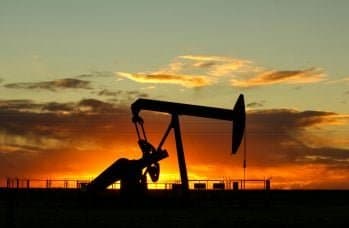
Oil prices are under upward pressure due to ongoing conflicts in Iran, with analysts warning that supply disruptions could push Brent crude to new highs. MarketWatch reports that tensions near the Strait of Hormuz, a vital passage for global oil shipments, remain a critical source of uncertainty for energy markets.
According to analysts, the risk of extended closures or interruptions at this strategic chokepoint could further constrain oil supply chains. This increase in supply risk follows recent instability in Iran, which has already prompted forecasts to adjust for higher crude prices. The possibility of supply tightening is heightened by geopolitical strains and sanctions that have shaken confidence in the stability of oil flows.
Market Vigilance as Geopolitical Factors Unfold
Observers are closely monitoring statements from OPEC and developments in the broader Middle East as any shifts could rapidly reshape market dynamics. Potential moves by the US regarding sanctions or military actions in the region add another layer of complexity that may influence oil price trajectories in the near term. Participants in the global energy market are watching the Strait of Hormuz with particular scrutiny, aware that even brief closures have historically sent shockwaves through commodity prices.
These conditions contrast with other recent economic signals, such as China facing a slowdown in retail sales, which reflect broader global volatility. But in energy, the immediate focus remains on Middle East geopolitics and its direct impact on crude prices.