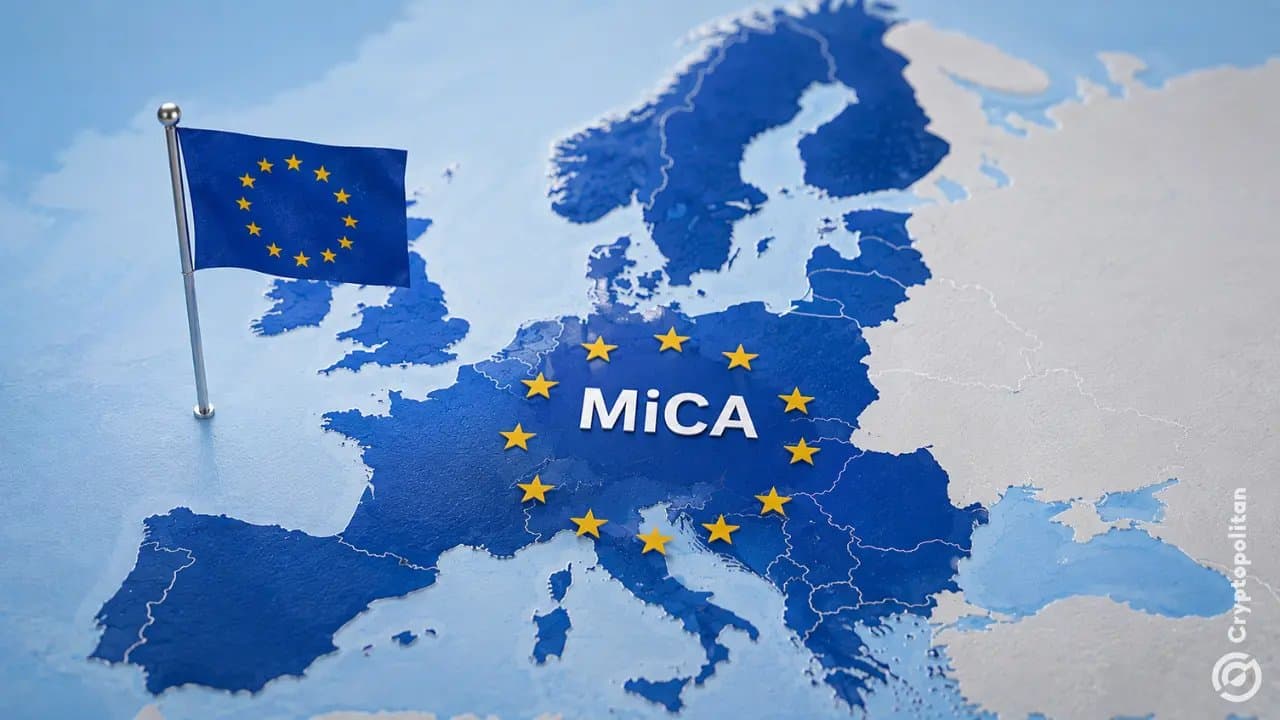
Imagine you run a small crypto exchange in Europe. Since July 1, 2026, you can no longer operate without a Markets in Crypto-Assets (MiCA) licence. For firms without the proper authorisation, the choice is clear: exit the market, sell off assets, or hand over clients to licensed providers. This transition forced many smaller players to reconsider their position as the new regulatory demands kicked in.
MiCA doesn’t just grant a licence, it imposes ongoing obligations. Companies must now maintain strict governance, keep sufficient capital, follow market conduct rules, handle complaints professionally, tighten cybersecurity, and implement anti-money laundering measures. Although these rules bring more security for users, they also mean hefty fixed costs that smaller exchanges and brokers often struggle to cover.
To put it in numbers, over 3,000 crypto companies were registered under older national rules, but only about 300 managed to secure MiCA approval by early July 2026. The rest faced tough decisions wind down or seek buyers. Such financial and operational pressures naturally push many to merge with larger firms or partner with banks, who already have compliance systems in place and can absorb these costs more efficiently.
Across the Channel, the U.K. is adopting a different route but similar challenges await. Instead of a new regime like MiCA, the Financial Conduct Authority (FCA) will fold crypto into its existing financial framework starting October 25, 2027. From September 2026 to February 2027, crypto firms must apply for FCA authorisation. The FCA applies rigorous standards, treating crypto companies the same as traditional banks and financial institutions. This includes safeguarding client assets under the CASS 17 rules, which require detailed custody procedures such as key management, reconciliations, and recovery plans.
Building such infrastructure from scratch is expensive, prompting many crypto startups to consider merging with or getting acquired by larger regulated groups. Banks, already operating complex compliance networks, present a logical fit for these companies wanting to survive and scale.
The consolidation trend has become visible and mirrors shifts seen in other sectors, where rising regulatory costs make independence harder. The crypto market’s next chapter in Europe and the U.K. likely involves more partnerships and M&A as firms adapt to the full scope of these evolving finance rules.