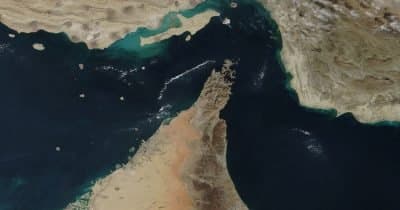
About 30% of seaborne crude oil passes through the Strait of Hormuz, and Iran now controls whether that flow continues. The country has flatly refused to reopen the waterway to normal traffic until its dispute with the United States gets resolved, creating a stalemate that's hardening by the week.
Washington offered a southern route as a workaround, but Tehran isn't interested. The blockade sits at the heart of fragile ceasefire talks that keep breaking down, with each side blaming the other for violations. Markets are already pricing in a scenario where the strait stays closed through the rest of August at minimum.
What makes this different from previous standoffs is the timing. Oil traders aren't waiting for a breakthrough anymore. Prices have already adjusted to scarcity, and shipping companies are routing around Hormuz entirely, adding days to voyages and significant costs. The longer this drags on, the more permanent these new trade patterns become, which could leave Iran with less use even if negotiations suddenly shift.
The real tell will come from vessel trackers and official statements from either Tehran or Washington. A confirmed peace deal flips the entire situation overnight. Military escalation goes the other way. For now, both sides seem content to let the pressure build, betting the other blinks first.
This article is for informational purposes and does not constitute financial or geopolitical advice. Market conditions and diplomatic developments can shift rapidly.