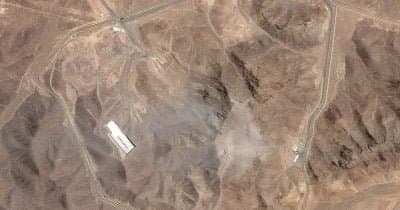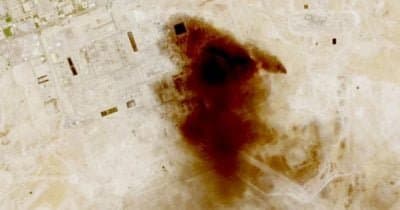
Iran has announced plans to target critical infrastructure in Israel and US energy facilities across the region. This escalation comes after recent US and Israeli strikes on Iranian energy sites, signaling Tehran’s shift towards broader targets beyond military installations, including civilian and economic systems. The move heightens fears of a larger regional conflict and affects market expectations around diplomatic negotiations.
Impact on Regional Security and Market Sentiment
The announcement marks a toughening stance by Iran, suggesting an expanded scope for retaliation that could disrupt key energy supplies and civilian operations. This poses serious risks not only to Israel and the US but also to global energy markets, as the Strait of Hormuz remains a strategic chokepoint. Investors have reacted by lowering the odds of a US-Iran reconstruction deal in 2026, factoring in the increased chance of ongoing military conflict.
Diplomatic Efforts and What to Watch Next
Despite mounting tensions, diplomatic channels remain active, with mediators from Qatar and Pakistan pushing for de-escalation. The international community will closely monitor potential US and Israeli responses, as well as developments around Iran’s uranium enrichment and IAEA inspections. Changes in these areas could influence market sentiment and the fragile prospects of reaching an agreement. Meanwhile, the ongoing pressure on Iran’s energy infrastructure recalls recent targeting efforts by the US and Israel, which have fueled this dangerous retaliation cycle.
This material is informational and does not constitute financial advice.