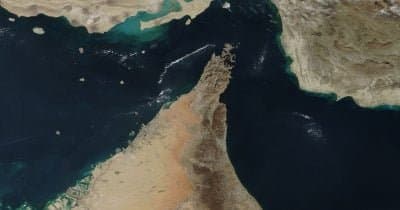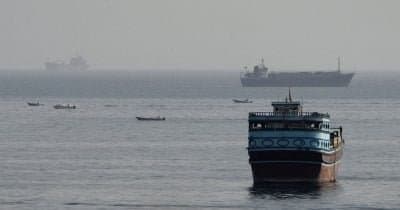
The U.S. Central Command moved to reassure shipping companies with a formal confirmation that the southern route through the Strait of Hormuz remains open to all traffic. The statement arrived against the backdrop of escalating maritime tensions where Iran has repeatedly signaled control over the waterway, one of the planet's most critical choke points for oil flows.
The announcement reflects Washington's military posture in the region. American naval assets have maintained a steady presence to enforce what the Pentagon calls freedom-of-navigation operations, directly countering Tehran's assertions of sovereignty. For commercial operators, this translates to a practical guarantee: container ships, tankers, and bulk carriers can continue routing through the southern corridor without facing official blockades.
Market reads the tea leaves
Betting markets have picked up on the signal. Prediction platforms tracking whether Hormuz traffic normalizes by the end of September have seen YES prices climb as traders calculate reduced disruption risk. It's a subtle indicator but revealing one. Shipping companies don't navigate these waters on optimism alone, and when they start pricing in calmer conditions, it suggests the Pentagon's military presence is having its intended effect.
Still, the situation remains loaded with friction. Iran has not backed down from its rhetorical claims, and the U.S. military continues operating under elevated threat assessments. Any diplomatic slip or new military provocation could flip market sentiment overnight. Traders and shipping ops alike are watching for statements from Tehran, updates on threat levels from maritime agencies, and whether vessels actually move through the passage without incident over the coming weeks.
This article provides market analysis and geopolitical context for informational purposes. It is not a recommendation for financial or investment decisions.