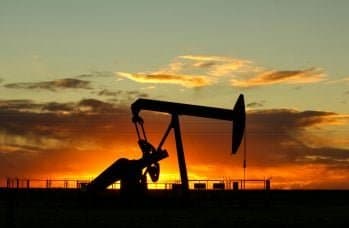
Oil prices have crossed the $100 per barrel mark, sending ripples through Asian financial markets. In the wake of this jump, shares across the region dipped sharply, reflecting investor worries about rising inflation and the likelihood of central banks tightening monetary policies sooner than expected. The MSCI Asia-Pacific index excluding Japan lost 1%, while Japan’s Nikkei plunged nearly 3%. South Korea’s KOSPI fell even more dramatically, down 3.7%, illustrating the broad impact on markets.
The jump in oil isn’t just hitting stock prices. Bond yields, especially the 10-year U.S. Treasury yield, climbed to about 4.7%, its highest point in 18 months. This signals that investors are bracing for an environment where borrowing costs could increase significantly. Such moves tend to rattle markets that are sensitive to interest rates, with government bonds getting sold off as yields rise.
More traders are betting on even higher oil prices. A popular prediction market examining whether crude will reach a new all-time high by the end of September showed a jump from 7% to 10.5% probability within a day. For the end of the year, the chance climbs even higher to 19%. This uptick signals growing expectations that the oil market will remain volatile and possibly push prices to historic levels, stoking concerns about the broader economic impact.
Geopolitical tensions in key energy-producing regions, particularly the Middle East, remain a wildcard. Any developments there could push oil prices further up, complicating the outlook for financial markets. Meanwhile, investors will keep a close eye on central bank moves. Decisions on interest rates will be critical, as tighter policy conditions can squeeze sectors sensitive to borrowing costs and slow down growth.
The rise in oil prices, combined with climbing bond yields, casts a shadow over many rate-sensitive assets, heightening uncertainty around market stability. Watching announcements from groups like OPEC and the International Energy Agency will be key in the days to come to gauge how this energy surge might evolve.