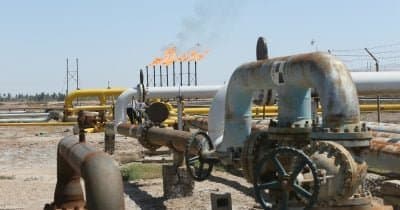
Recent expansions in pipeline infrastructure have eased the natural gas oversupply in West Texas’s Permian Basin, pushing spot prices at the Waha Hub into positive territory for the first time in several months. The increased takeaway capacity, driven by projects such as ONEOK’s West Texas NGL pipeline looping and Energy Transfer’s Transwestern Desert Southwest Expansion, has temporarily balanced the market.
Pipeline Improvements Temporarily Boost Gas Prices
The new pipelines have enhanced the ability to transport natural gas out of the Permian Basin, reducing the glut that previously suppressed prices. As a result, gas spot prices turned positive, reversing months of negative pricing. This development reflects a critical response to infrastructure constraints that had limited the flow of associated gas produced alongside oil extraction.
Drilling Activity Threatens Recent Gains
Despite pipeline enhancements, plans for increased drilling by smaller producers raise concerns that the supply glut may return. The ongoing mismatch between the pace of oil drilling and the capacity of pipeline infrastructure means associated gas volumes could soon exceed current takeaway limits. Market signals suggest that new drilling operations could drive natural gas production higher, potentially overwhelming the available pipelines and reversing price improvements.
Meanwhile, crude oil market uncertainty persists, with prediction markets assigning just an 8% probability for prices to reach new all-time highs by September 30. The interplay between pipeline capacity and production levels remains a critical factor for both natural gas and oil markets.