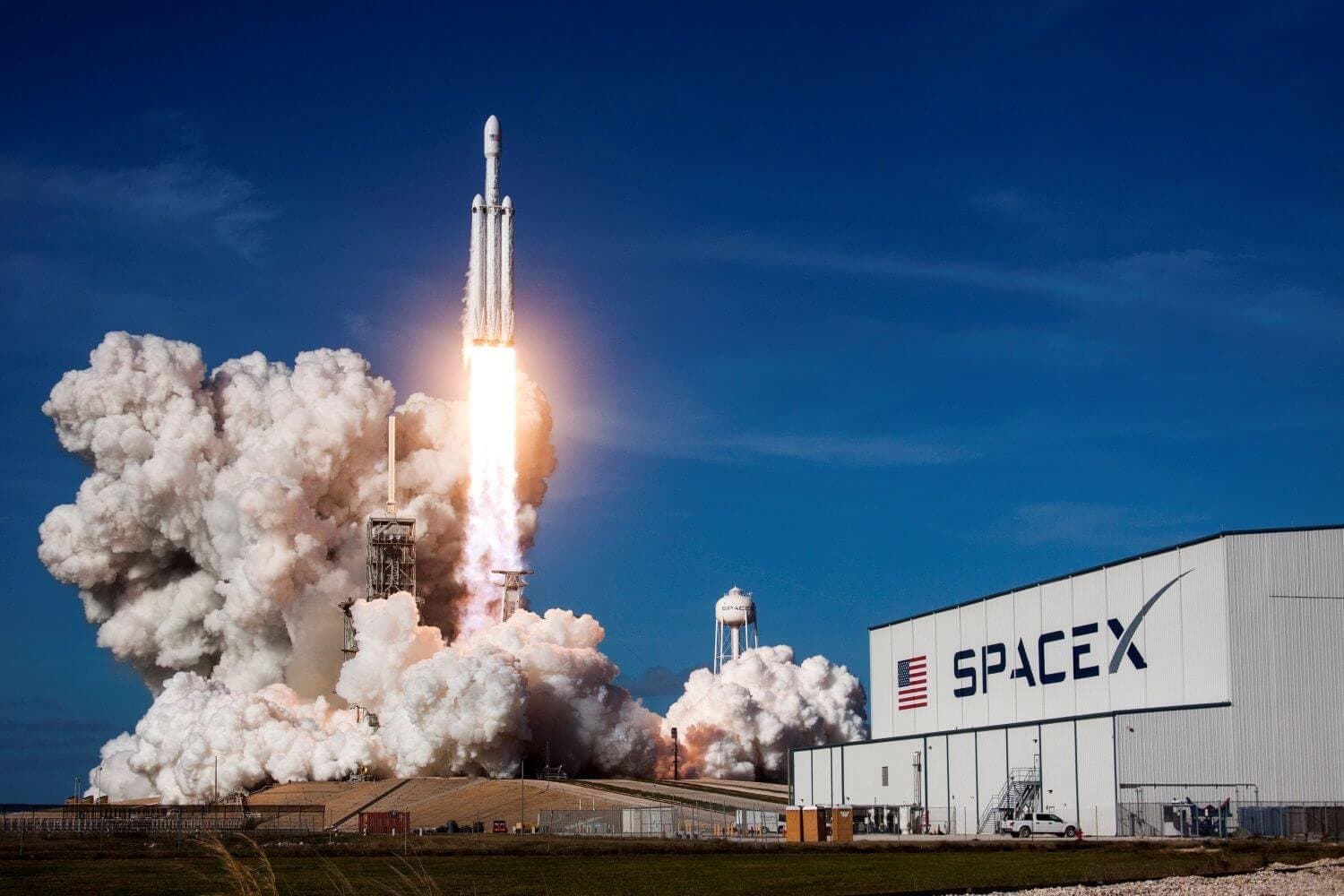
SpaceX successfully launched 24 Starlink V2 Mini satellites into low Earth orbit, lifting its Falcon 9 rocket from Vandenberg Space Force Base following a previous launch postponement caused by an engine ignition issue.
The mission, known as Starlink 17-39, took off at 7:49 a.m. PDT on Tuesday after a delayed attempt on Monday. The Falcon 9 followed a south-southwesterly trajectory to reach a 97-degree inclination orbit, deploying the satellites more than an hour after liftoff.
The reusable Falcon 9 booster B1082 completed its 23rd flight, having previously supported missions including NROL-145, USSF-62, and OneWeb Launch 20. It safely returned to the droneship Of Course I Still Love You in the Pacific Ocean, marking the 212th landing on this vessel.
Starlink Network Expansion and Launch Record
This launch marked SpaceX's 85th Falcon 9 mission of the year, with 67 dedicated to expanding the Starlink satellite constellation, which now surpasses 10,800 spacecraft in low Earth orbit. The continuous deployment aims to enhance broadband internet access worldwide, focusing on areas with limited connectivity and providing additional services such as in-flight internet and direct-to-cell capabilities through partnerships.
Space Exploration Technologies Corp. (SPCX) stock responded to the successful mission with a 3.00% increase, trading at $123.44. The company maintains a strong launch cadence supported by its reusable rocket technology, which reduces costs and increases mission frequency.
This article is informational and not financial advice.