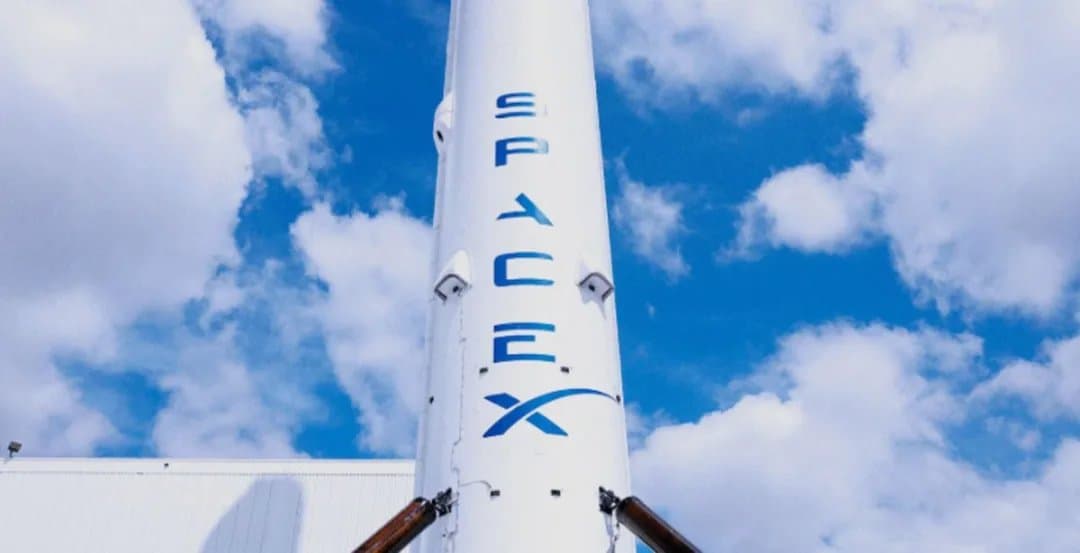
SpaceX shares hit a fresh low near $110 as investors weigh upcoming earnings, lockup expirations, and mixed results from the Starship test flights. Despite the sharp decline, Morgan Stanley stuck with a bullish stance, keeping an Overweight rating and a $300 price target after Starship Flight 13 showed several important achievements.
The latest flight marked progress in SpaceX’s development, even though the booster had a rough splashdown. Morgan Stanley gave the mission an A- grade, highlighting successful milestones like all 33 Raptor engines firing at launch, hot-stage separation, deploying 20 Starlink V3 satellites, relighting a Raptor engine in orbit, and recording the softest splashdown so far.
However, the landing sparked some criticism since only about five of the 13 booster engines fired during the final descent, improving but not perfect compared to Flight 12 when the booster failed to land. The firm anticipates Flight 14 could bring another key moment if SpaceX attempts Elon Musk’s proposed first-ever tower catch of the Starship upper stage.
SpaceX stock has dropped over 50% from its post-IPO peak above $225, hitting around $111 recently. This decline means early investors face losses near 18.5%. The company’s first quarterly earnings report since going public is due August 4, with expectations around $6.9 billion in revenue and a small per-share loss. The report might raise concerns about delays with Starship and SpaceX’s plans to phase out Falcon 9 bookings beyond 2028 in favor of Starship.
Another potential headwind looms just after earnings: a lockup expiration that could release nearly one billion pre-IPO shares into the market, increasing share supply and possibly sparking short-term selling pressure. This expanded share float could also push SpaceX’s weighting up in QQQ-related funds, regardless of stock price movements, forcing investors to balance index effects against insider selling risks.
Analysts remain confident despite the stock’s slump. Morgan Stanley’s Adam Jonas reiterated that SpaceX holds a unique position across launch services, internet connectivity, and AI sectors, keeping the $300 target unchanged. Raymond James took an even more optimistic view, setting a $800 price target and a Strong Buy rating after Flight 13, pointing to reduced execution risks thanks to the recent test’s validation of key booster upgrades, successful Starlink deployments, and stable splashdowns.