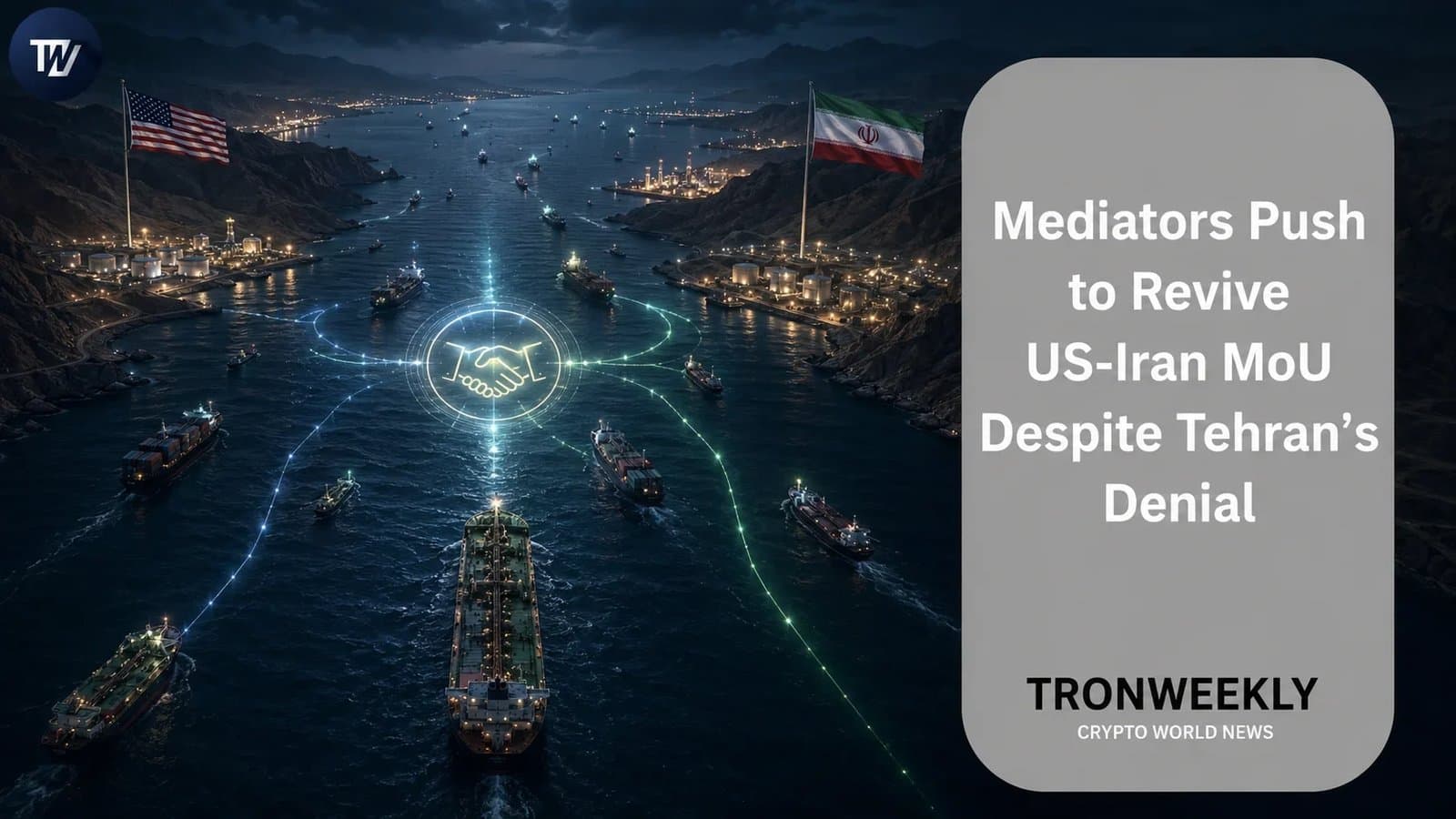
$60 million worth of diplomatic efforts are underway as Pakistan, Egypt, and Qatar edge closer to reviving the stalled US-Iran memorandum of understanding, which faces expiration next month. The core issue blocking progress revolves around conflicting interpretations of control over the strategic Strait of Hormuz, a vital passage for global oil shipments.
Dispute Over Hormuz Strait Jurisdiction
The memorandum signed last month failed to gain traction because Iran insists it grants them authority over activities within the strait, while Washington denies this. Iran's Deputy Foreign Minister Kazem Gharibabadi rejected a proposal by Oman to split navigation routes equally, citing unresolved security concerns. He warned that Iran could shut down the strait or block third-party mine-clearing operations if its terms are ignored, escalating regional risks.
Diplomatic Moves and Uncertain Outcomes
Iran and Oman have reportedly agreed on a mediation formula, leaving the ultimate decision pending with US President Donald Trump. The White House has withheld public comment, awaiting a meeting with Israeli Prime Minister Benjamin Netanyahu. Both Washington and Tehran have yet to confirm any upcoming negotiation dates. Meanwhile, Iran proposed a temporary navigation system where parts of the route would remain under its jurisdiction, but Oman’s counteroffer was dismissed. The outcome will heavily influence whether another ceasefire and renewed talks can proceed before the MoU’s deadline.
This material is for informational purposes only and does not constitute financial advice.