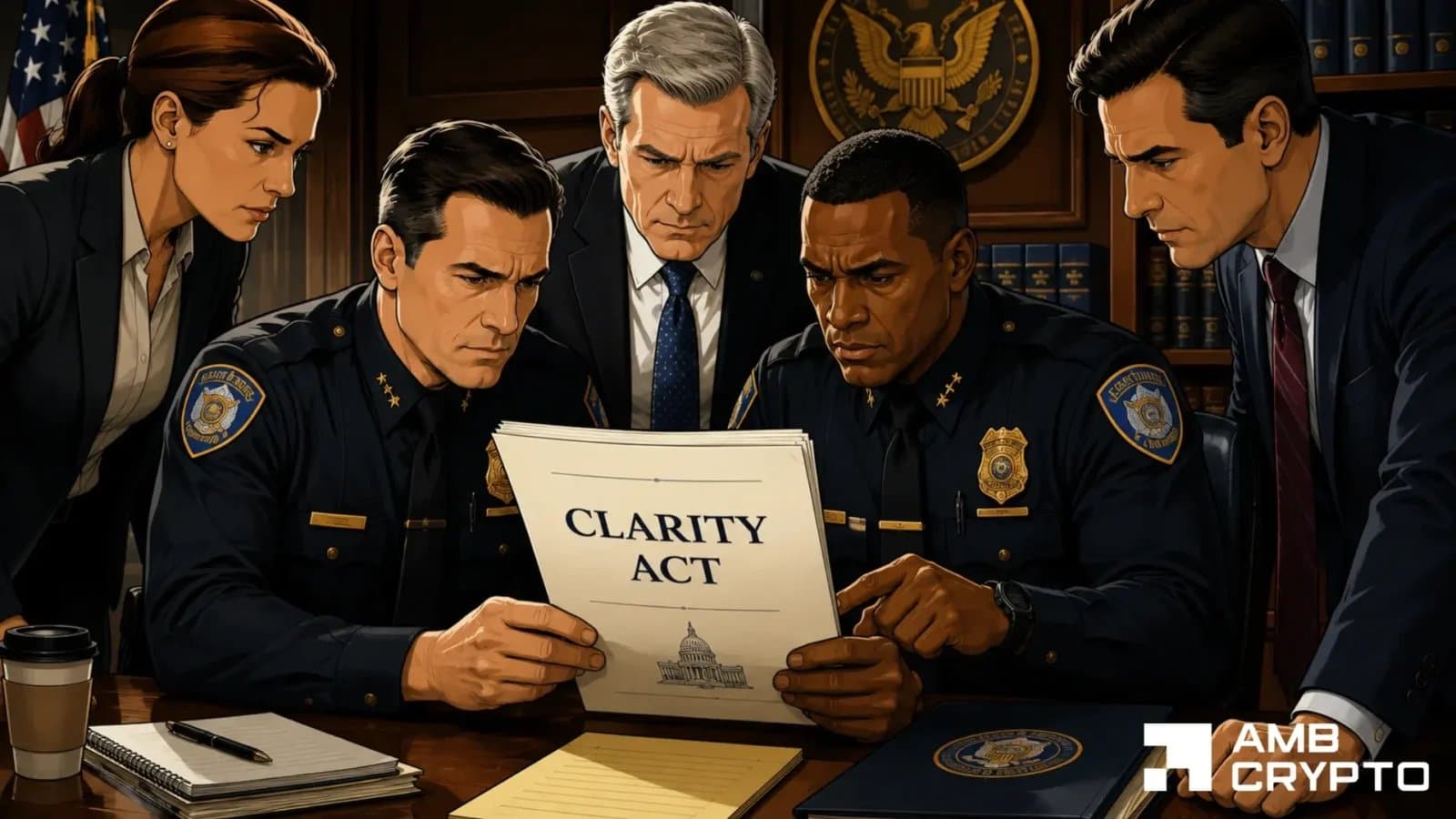
The National Fraternal Order of Police and the National Cryptocurrency Association have both voiced support for the newly revised CLARITY Act, each highlighting different benefits of the bill. Their endorsements came this week as momentum builds for the legislation designed to clarify digital asset regulations.
Law Enforcement Praises Enhanced Investigative Tools
In a July 24 letter, the National Fraternal Order of Police, representing over 382,000 officers, urged key Senate Banking Committee members to back the updated bill. The group expressed relief that changes to the Blockchain Regulatory Certainty Act provisions would not hinder law enforcement’s ability to probe crypto-related crimes. They emphasized new measures addressing anti-money laundering, sanctions compliance, and digital asset kiosks, alongside authorities for asset seizure and transaction holds requested by police. The bill also proposes grants and training programs aimed at boosting digital asset investigations and establishes a digital asset cyber innovation center. Crucially, it clarifies that software developers facilitating criminal activity won’t be protected under certain legal safeguards. The FOP concluded that their previous concerns were adequately resolved and they support moving the legislation forward.
Meanwhile, the National Cryptocurrency Association submitted testimony to a House Financial Services subcommittee highlighting the bill’s consumer protections and clearer regulatory framework. According to their research, over 67 million Americans own cryptocurrencies, with 73% favoring stronger consumer safeguards and 77% supporting full crypto legislation. The NCA pointed out that the CLARITY Act mandates better disclosures from crypto platforms, fraud warnings for kiosks, and preserves users’ rights to self-custody. It also maintains authority for the FTC and CFPB over consumer protection. Clearer rules, they argue, will foster innovation and boost user confidence in digital assets.
This growing cross-sector support reflects a balance between law enforcement’s call for stronger investigative powers and the crypto industry’s push for regulatory clarity and consumer trust.