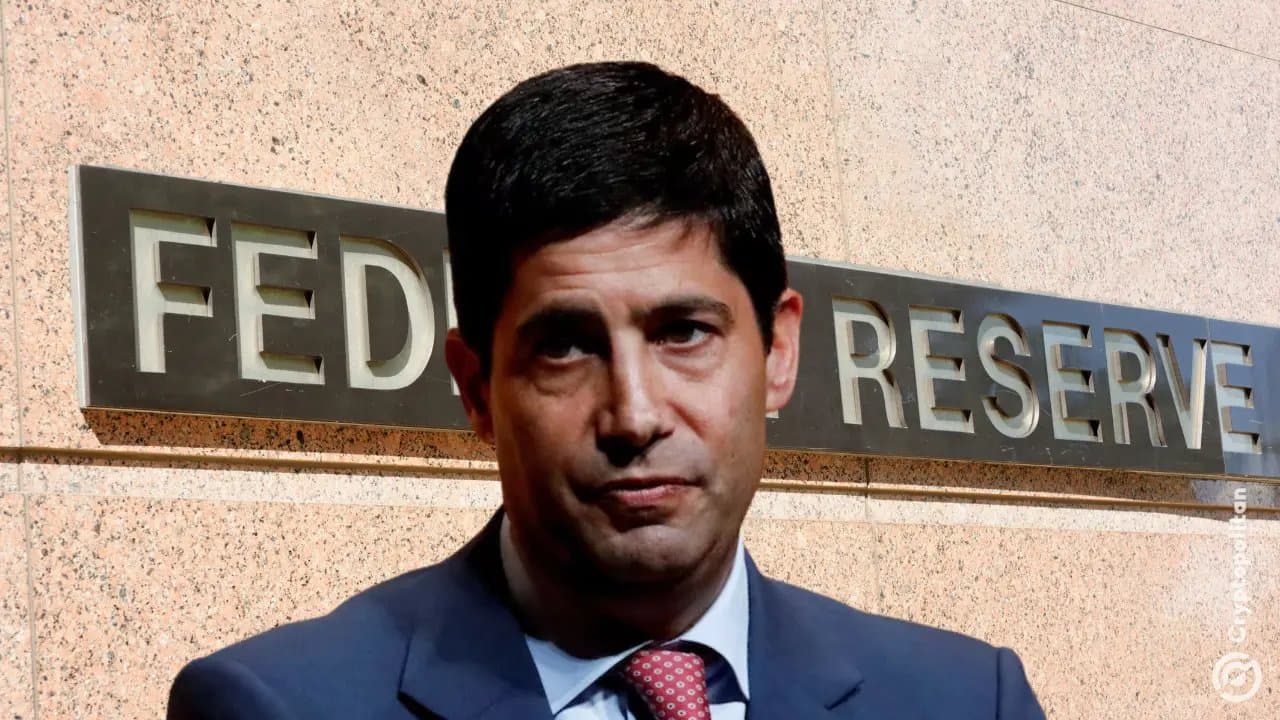
Markets are now pricing in a 36% chance that Federal Reserve Chair Kevin Warsh will raise interest rates during the upcoming policy meeting this week. This marks a significant shift from just seven days ago, when the probability of a rate hike was below 10%. The spike in crude oil prices above $100 per barrel, fueled by renewed hostilities between the U.S. and Iran, has stoked inflation concerns and put pressure on the Fed to tighten its monetary policy.
Rising Oil Prices Upend Inflation Outlook
Since the conflict reignited in late February, oil prices have been volatile but have now breached the $100 mark, a level last seen during major geopolitical tensions. This development challenged earlier market assumptions that disruptions in the Strait of Hormuz, through which about 20% of global oil supply flows, would only cause temporary inflationary spikes. As a result, investors have sold off government bonds in the U.S. and Europe, pushing yields higher. The 10-year U.S. Treasury yield recently hit an 18-month high, while similar maturities in Germany and France climbed to levels unseen in over 15 years, signaling expectations of sustained inflation pressures.
solid U.S. Economy Strengthens Case for Rate Hike
Warsh’s decision will also be influenced by the latest U.S. economic data. Weekly jobless claims fell to their lowest since 1969, indicating a strong labor market with minimal layoffs. Although consumer inflation eased to 3.5% in June, it remains well above the Federal Reserve’s 2% target. High energy prices combined with solid employment figures create a compelling environment for tightening monetary policy. Warsh has signaled his preference for minimizing forward guidance, emphasizing the importance of policy action rather than preemptive signals. His recent remarks suggest confidence that the inflation surge seen over the past five years can be curbed with the right measures.
Investors now anticipate one rate increase this week and expect an additional one or two hikes before the end of the next nine months. The evolving geopolitical situation and economic resilience are shaping what could be a more hawkish stance by the Fed under Warsh’s leadership.