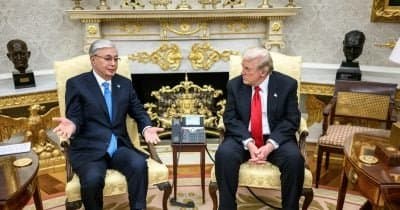
Kazakhstan’s President Kassym-Jomart Tokayev urged Russia to pause hostilities in Ukraine during a July 25 meeting with Vladimir Putin, marking a rare break from Moscow’s usual narrative. This appeal could shift the dynamics in energy markets, sanctions enforcement, and cryptocurrency flows tied to the conflict.
What Tokayev Proposed and Its Significance
During the Kazakhstan-Russia Interregional Cooperation Forum in Omsk, Tokayev called for a halt in fighting and a return to negotiations. He referenced the Istanbul talks from spring 2022, suggesting an "Istanbul 2.0" effort backed by international guarantees. Tokayev avoided the phrase "special military operation," instead framing what’s happening as an "interstate conflict," a notable deviation from Russia’s official stance.
Kazakhstan shares a long border with Russia and is its key ally in Central Asia, making this position particularly weighty. The president has also refrained from recognizing Russia’s annexation of Ukrainian lands and has offered refuge to Russians escaping mobilization, signaling increasing discomfort with the prolonged war.
Market and Crypto Implications
Kazakhstan has become a critical transit point in the global economy reshaped by sanctions on Russia. Companies leaving Russia often reroute through Kazakhstan, boosting its trade volumes and making it a hub for sanctioned Russian entities to access global markets.
A ceasefire or frozen conflict could trigger a reassessment of Western sanctions, impacting firms like Chainalysis and Elliptic, which monitor crypto transactions linked to Russia. As the Russian government increasingly uses cryptocurrencies such as Bitcoin to bypass traditional payment systems blocked by sanctions, any shift in the war’s status might reshape demand for these monitoring services.
Energy markets would also respond swiftly to developments. A reduction in conflict intensity or reopening of negotiations could influence supply expectations and prices, given the integral role of Russia and Kazakhstan in energy exports.
The call to revive earlier peace talks suggests existing diplomatic frameworks might be reactivated if political will aligns, potentially easing tensions that have weighed heavily on global markets since 2022.
This material is informational and not a financial recommendation.