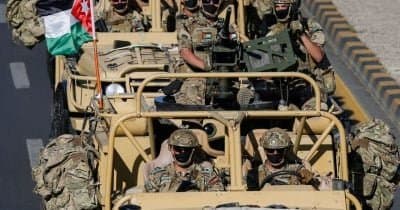
Five Iranian missiles targeted US forces in Jordan but were intercepted by Jordanian air defenses, escalating the ongoing military tension between Iran and the United States. This missile attack followed recent deadly incidents where US personnel were casualties in Jordan, prompting a swift retaliatory strike by the US against Iranian military sites, confirmed by the US Central Command.
Escalation in the Gulf and Market Impact
The missile interception signals a sharp rise in conflict intensity. Despite this, market traders have adjusted their expectations for further Iranian military action against Gulf states. Predictions for July 30 show about a 39.5% chance of Iran striking a Gulf state, down from previous estimates. The following day’s forecasts continue this trend, with a 31.5% probability, reflecting a cautious outlook tempered by the recent US response.
What Could Change the Outlook
The situation remains volatile with several factors that could quickly alter the dynamics. Iranian leadership statements, particularly from Supreme Leader Ali Khamenei, are being closely monitored for any hint of strategic shifts. Meanwhile, diplomatic efforts by regional players such as Qatar and Oman may influence the trajectory of the conflict, potentially reducing the likelihood of further attacks. Analysts and traders alike watch for fresh military moves or diplomatic breakthroughs that could swiftly impact market sentiments and risk assessments.
This content is for informational purposes and does not constitute financial advice.